Next Step
Take the time to prepare your story and share it with one person. Get some feedback, make some changes, and share it again. Look for an opportunity to share it in a small group.
Learn to share your StoryTake the time to prepare your story and share it with one person. Get some feedback, make some changes, and share it again. Look for an opportunity to share it in a small group.
Learn to share your Story
If you’ve got a vision to reach your school for Christ, you’re asking exactly the right question. Whoever you are, a student, teacher, youth pastor, college student, or concerned adult, here’s how to get started. There are two ways to go about it.
If you’d like to gather some friends, share your faith, and build something without any formal ties, just start with the playbook. The Reach Your School Playbook gives you everything you need to get started today.
If you’d like to use the Cru name and logos, and be part of a wider movement beyond just your campus, here’s what that looks like:
Doing Your | Being Called | |
| Use the Cru name and logos | No | Yes |
| Need a coach to get started | No | Yes |
| Part of the wider Cru movement | No | Yes |
| Get ongoing support from Cru staff | No | Yes |
| Can start today, no waiting | Yes | Still fast — just a call first |
"Whichever path you choose, you don’t have to figure it out alone."
If you want to call yourself Cru, the way to get started is to connect with a coach, that’s how you register your movement. This is separate from anything your own school requires; if your campus has its own club registration process, you’ll still want to check with your school on that too.
A coach is a Cru staff member whose job is to walk alongside you as you get started. Here’s what working with a coach actually looks like from there:
Through it all, you’re helping students hear about Jesus, grow in their faith, and go on to reach others too. And whether you’re the student or the adult in this story, you stay the one leading it. Your coach walks alongside you; the coach doesn’t take it over.
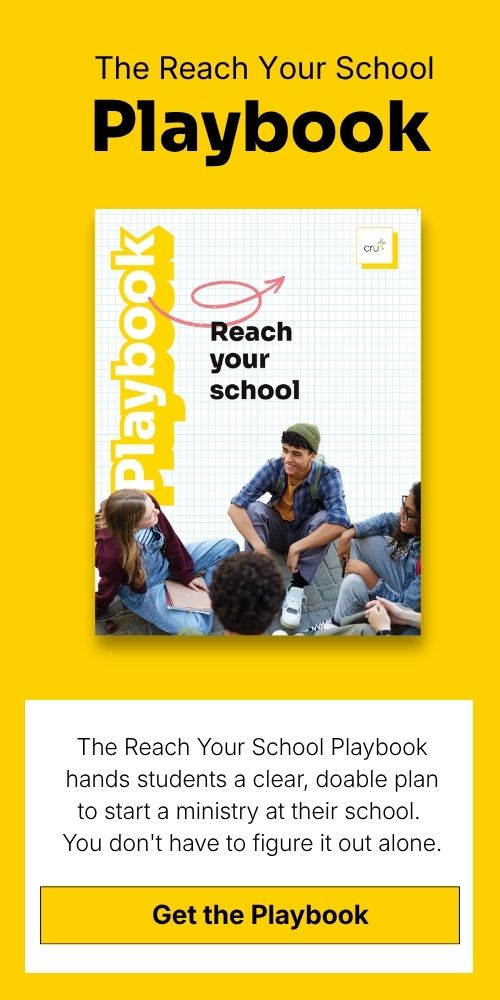
Whichever path you choose, the Reach Your School Playbook is worth having in hand. It walks you through four simple steps — DREAM, PRAY, GO, GROW — for building something that reaches your school.
Download the Reach Your School Playbook
Whichever path you choose, don’t wait until everything feels figured out. Gather a few friends, open the Playbook, or send that first email to a coach. The important thing is that you start. Somewhere out there, a student at your school is waiting for someone to notice them, and that someone could be you.
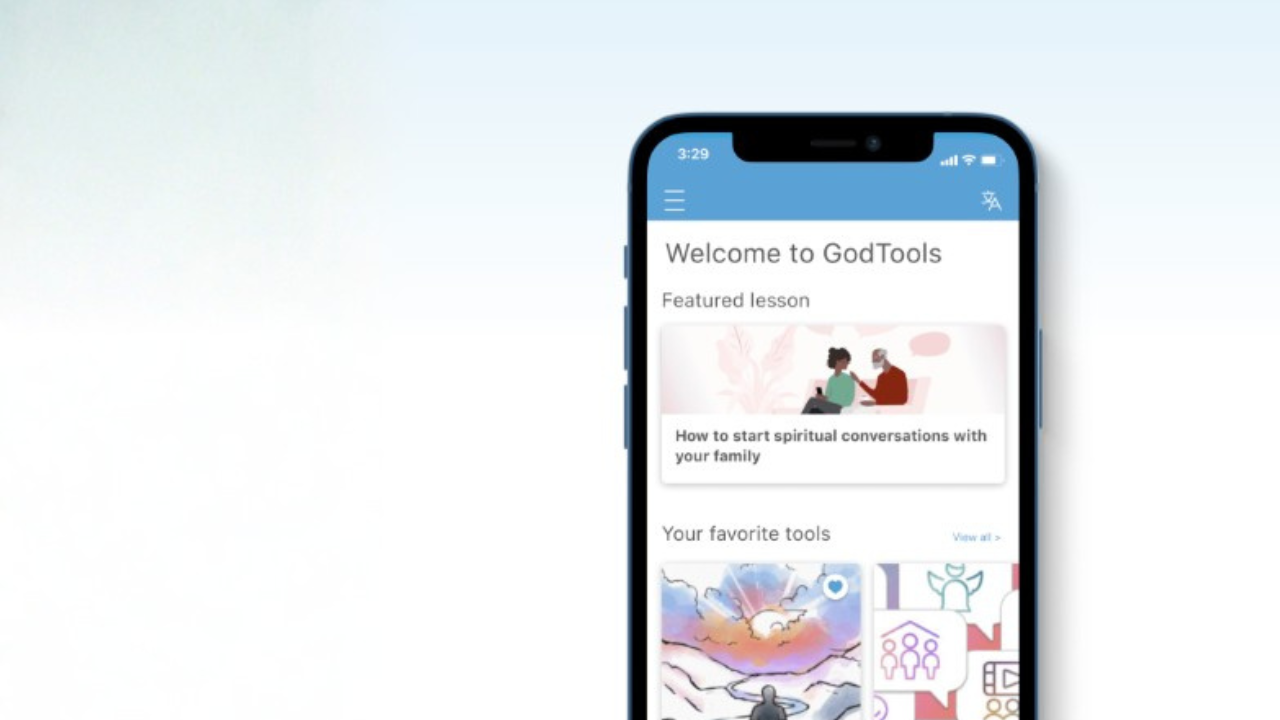
As you learn to reach your school, there are some key ministry skills that will make a big difference. These are things every Christian student can grow in and you don’t have to be perfect to get started. We also have some great tools to help you take your next step. With a little courage and the right resources, you’ll be amazed how God can use you in your school.
Bringing up spiritual topics can be hard, but it’s one of the most important steps in reaching your friends. If no one starts the conversation, most students will never talk about their faith.
Your story matters. Sharing what God has done in your life can open hearts and help others realize that faith is personal and real.
The gospel is powerful and your friends need to hear it. Learning how to clearly explain the message of Jesus is a huge step in making your faith your own and helping others follow Him.
“Your story could be the reason someone takes a step toward Jesus.”
When someone accepts Christ, they need help knowing what to do next. Helping a new believer grow in their faith is one of the most rewarding things you can do.
Small groups are a powerful way to build community and help students grow. If you can lead a good conversation, you can lead a small group.
Reaching students on your campus is one of the most strategic ways to share your faith. Learning a few simple principles can help you start conversations, gather students, and take steps toward building a movement at your school.

You can reach your school. We can help.
You’ve probably looked around your campus and thought, someone should do something. What if that someone is you?
The Reach Your School Playbook is a simple, practical guide that helps you make the first move. It’s short, clear, and built to move you forward, not a long manual you’ll never finish. Whether you’re a student ready to lead or an adult wanting to come alongside one, this is your starting point.

Most people never start, not because they don’t care, but because they feel stuck. Where do I even begin? What if no one shows up?
The Playbook clears that away. It gives you a path so you can stop overthinking and start doing. You don’t need a perfect plan or all the answers. You don’t have to be the popular kid or have it all together. You just need a first step, and a little courage.
And the friends you’re thinking about right now matter. You might be the one who helps them find Jesus.
Start where you are. Use what you have. Take the first step.
The Playbook walks you through four clear steps, each one designed to help you take action:
It might start with a single conversation at lunch, or a few friends praying before class. You don’t have to guess what comes next. It’s right there in front of you.
The Playbook is written first for students, because we believe teenagers can lead and make a real impact at their school. But if you’re a parent, teacher, youth leader, or volunteer, you’re not on the sidelines. There’s a whole section just for you, whether you’re supporting a student who’s leading or stepping out to start something yourself.
Students lead. Adults support. Everyone moves forward together.
"Students lead. Adults support. Everyone moves forward together."
Starting something can feel intimidating. But you don’t have to figure it out alone. The Playbook connects you to tools, coaching, and a bigger movement of people doing the same thing. Take one step, and you’ll find support along the way.

So don’t wait until it all makes sense. Grab a copy below — get one for yourself, and consider extra copies for your key leaders.