Finding Opportunities to Share the Gospel: 3 Effective Strategies

In our lives, it can be easy to see only the superficial things going on around us. People around us may seem happy and fine going through life without Jesus. In reality, everyone is hurting and broken, desperate for a drink of water from the fountain of living water (see John 7:37-39). God puts us in relationships with others so we can help them come to know Jesus. How can we find more opportunities to share the gospel with others in our everyday lives? Here are three steps to help.

Make a "Top 5" List

Prayer often can be reserved for before meals and on Sundays at church. But prayer is so much more than that! God longs to be in a relationship with the lost people around you, and your prayer on their behalf is absolutely vital for them to begin a relationship with God. Take some time right now to make a note on your phone or your calendar listing the people around you who are not in a relationship with God, or who have drifted in their faith. Start with your “Top 5” people who you wish would encounter Jesus in a real way. 

Example “Top 5”

  1. Jack Smith – a friend from school
  2. Adrian Rogers – cousin on mom’s side
  3. Julie Fredrickson – friend’s mom
  4. Jaylen Hodges – friend on your football team
  5. Drew Johnson – the guy you sit by in math


Pray for all 5 of them by name, daily, and wait for God to open up an opportunity to talk with them! If God brings a specific person to mind, do not dismiss that as your own mind playing tricks on you. Reach out to them to see how they are doing, and set up a time to meet up. You do not have to keep your list at just 5 people–some people have made a list of everyone in their class, or their whole dorm floor at college, or everyone in their family who does not know Jesus. The main thing is to lift real people up in prayer, and then listen.

Listen and Be Prepared to Act

People all around you are hurting, lonely, and desperate for connection. It is a difficult reality that depression, anxiety, and suicide rates are way up. You do not have to hang out with people for too long to see that real things are going on in people’s lives, and they have no idea what to do with their hurt and confusion.

Here is a quick reminder that in order to hear what is going on in others’ lives, you actually have to be around them, with headphones off, willing to talk! Simply showing care and empathy by listening to what is going on in your friends’ lives is an amazing way to open the door to the hope of Jesus.

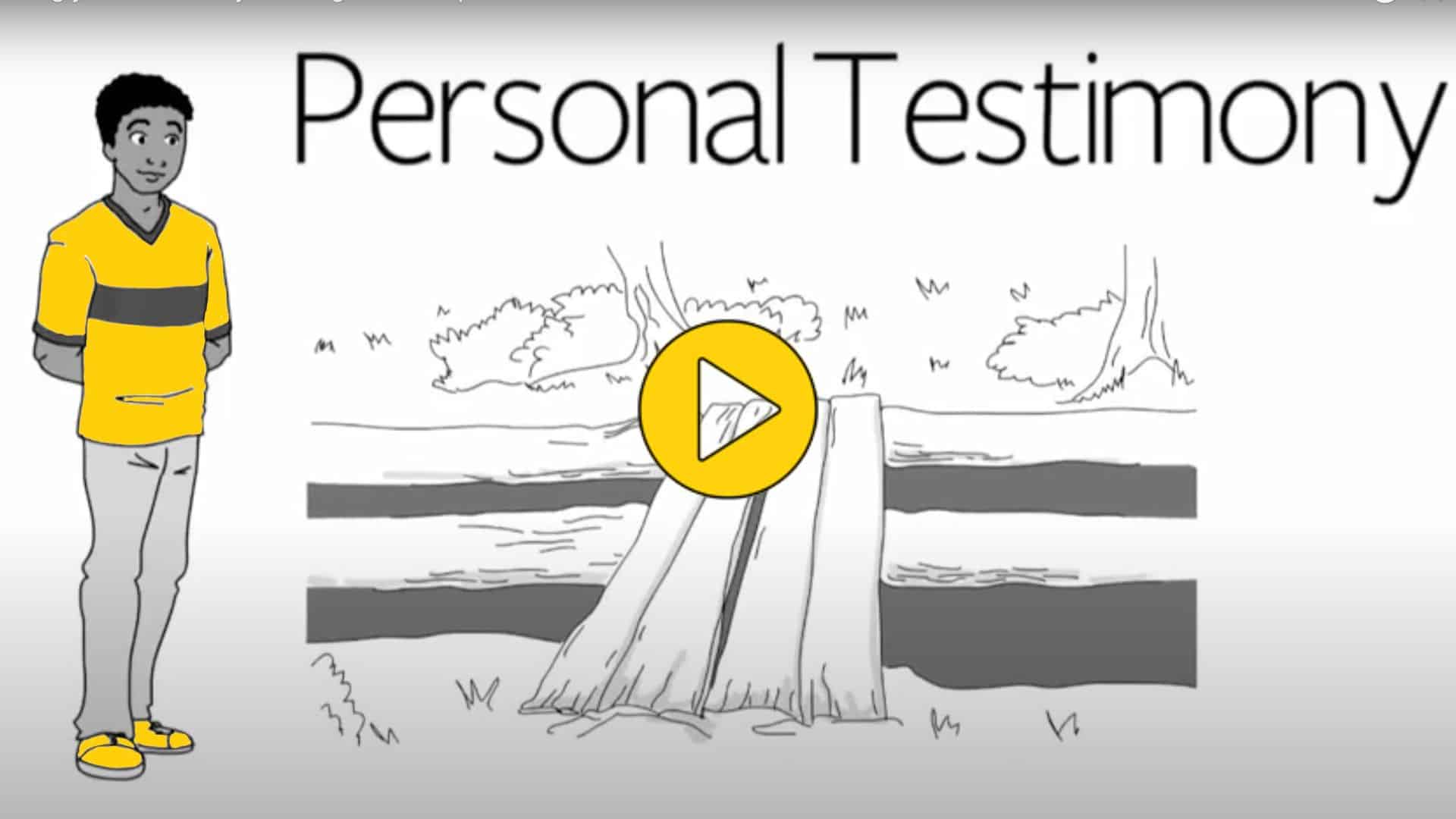
As we talked about in How to Turn a Conversation to Christ, the gospel is the one antidote to a million ailments. Often, people will share something that is weighing on their hearts with you, and after you empathize with them, you can share how Jesus helped you with a similar situation in your own life. Check out this article for help on how to share your story. If someone shares a need that they have (food, a friend, a warm coat, help on an assignment, a good counselor), step in and help them find what they need. This is a huge way we can help people on their faith journey.

In order to hear what is going on in others’ lives, you actually have to be around them, with headphones off, willing to talk!

Ask Great Questions

Jesus shared the good news in a lot of ways, but one of the main ways he did it was by asking great questions! One thing that almost all humans share is they love to talk about themselves. Another thing most people share is that people rarely ask them questions beyond “What’s up?” or “How are you?” People really want to be listened to without being judged, but likely those around you have never experienced this from a Christian.

We have an amazing chance to help change this sad reality. Get curious about the image bearers of God around you. Become students of them. Ask God to open up your eyes to how interesting the people around you are, and then once you notice things, ask questions! If someone has mentioned something hard that is going on, ask them about it the next time you see them. 

Here are some questions to easily start a spiritual conversation:

  • “Do you consider yourself a truth seeker?”
  • “Have you ever gone to church?”
  • “What is your spiritual (or church) background?” 
  • “Have your views on faith and religion changed since you started high school?”
  • “On what is your philosophy of life-based?”
  • “What are you living for? What do you value most?”
  • “Do you think Jesus is relevant to your life?”
  • “Have you ever read the Bible?”

Check out 99 More Questions here!

Asking the right questions is more art than science. If there is someone in your life who seems to have a knack for asking great questions, spend time with them and pick their brain about it! Cru also has some amazing tools to help you ask the right questions and get to your heart level with people. 

Stay Motivated

In the last days, Jesus says that wickedness will increase, and “the love of most will grow cold, but the one who stands firm to the end will be saved. And this gospel of the kingdom will be preached in the whole world as a testimony to all nations, and then the end will come.” (Matthew 24:12-14 NIV). We have a difficult task ahead of us, but we can take hope in the promise of Jesus–that before the end, the gospel will go forth to all nations. Let us work together to hasten the return of Jesus!

Next Step
Create a "top 5" list and begin to pray for them.

RECENT POSTS

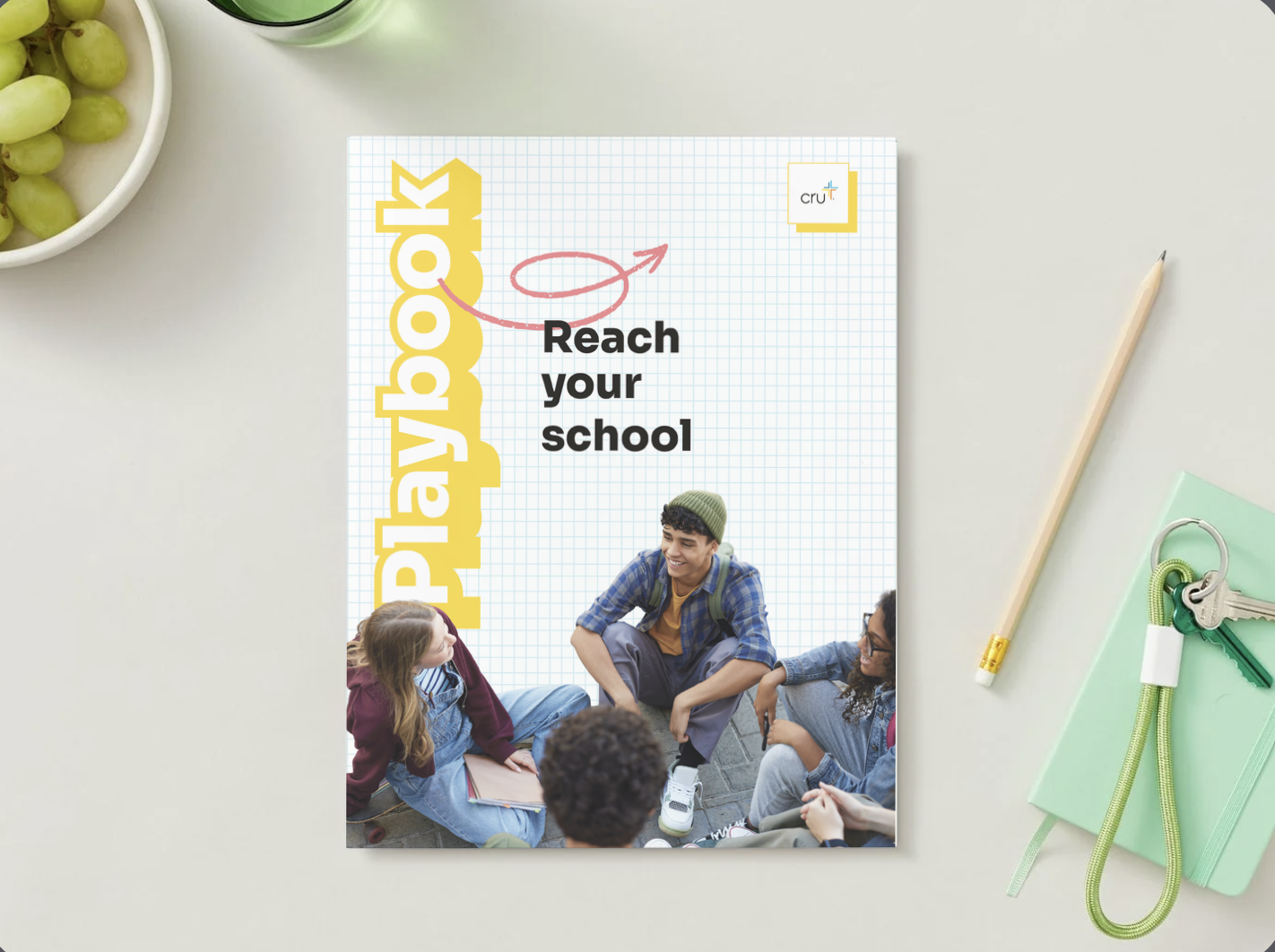
The Reach Your School Playbook
A simple, step-by-step guide to help students, and the adults who support them, start and grow a movement to reach their school.
Comment Cards 101: Capture Interest, Build Relationships
A simple guide to using comment cards to capture student interest, build relationships, and follow up effectively after any event.
Student Leader Application and Covenant
Two optional documents to help you identify, prepare, and support student leaders with clarity and consistency.
The Reach Your School Playbook

You want to make a difference at your school. You care about your friends. You see the need. You’ve probably even thought, “Someone should do something.”

What if that someone is you?

The Reach Your School Playbook was created to help students take that step, and to give adults a simple way to support them along the way.

Made for Students, Helpful for Adults

This Playbook is designed first for students. It helps you take ownership, lead your friends, and build something that actually reaches your school.

At the same time, if you’re an adult, youth leader, parent, or volunteer, this gives you a clear way to come alongside students without taking over.

  • Students lead
  • Adults support
  • Everyone moves forward together

Why Most People Don’t Start

A lot of students never take the first step. Not because they don’t care, but because they feel stuck.

  • “Where do I even begin?”
  • “What if no one shows up?”
  • “How do I get others involved?”

Uncertainty can keep people from moving. This Playbook breaks that barrier. It gives you a clear path so you can stop overthinking and start doing.

What This Helps You Do

This isn’t just ideas sitting on a page. It’s a practical guide you can actually use right now.

With the Playbook, you can:

  • Start something meaningful, even if you’re on your own
  • Gather a few friends and build momentum
  • Share your faith in natural, real ways
  • Lead with confidence, even if you’ve never led before
  • Build something that lasts beyond you

You don’t have to have it all figured out. You just need a place to start.

“Start where you are, use what you have, take the first step.”

A Simple Path to Follow

The Playbook walks you through five clear steps. Each one is simple, practical, and designed to help you take action.

  • DREAM: Start with a vision for your school and what God could do there
  • PRAY: Learn how to pray for your campus in real, meaningful ways
  • GO: Take action, gather a team, and begin reaching people
  • GROW: Build a group that develops leaders and multiplies
  • SEND: Help others step out and reach their friends too

You don’t have to guess what to do next. It’s right there in front of you.

Built to Be Used, Not Just Read

This isn’t a long manual you’ll never finish. It’s short. It’s simple. It’s designed to move you forward.

  • Easy to read
  • Clear next steps
  • Real examples
  • Space to think and act

You can go through it on your own, or walk through it with a couple of friends. Adults can use it to guide conversations and help students take ownership.

You Don’t Have to Do This Alone

Starting something can feel intimidating. But you’re not on your own. The Playbook connects you to tools, coaching, and a bigger movement of people who are doing the same thing. Take one step, and you’ll find support along the way.

Start Today

You don’t need a perfect plan. You just need a first step.

Next Step
Download the Playbook with the button above and walk through the first section this week with a friend!
Comment Cards 101: Capture Interest, Build Relationships

Why Comment Cards Matter

The most important thing you do in ministry isn’t running events, it’s building relationships. Big gatherings are great, but they aren’t personal. Comment cards help you bridge that gap. They give students a simple way to raise their hand and say:

  • “I’m interested”
  • “I want to get involved”
  • “I want to talk”
  • “I made a decision”

A comment card is more than a form. It’s a filter. The event gathers the crowd, but the comment cards reveal the ones who are ready. Instead of guessing who’s interested, students tell you. And that’s what allows you to follow up personally and meaningfully.

Download Comment Cards

Physical vs. Digital Comment Cards

You can collect information digitally, but physical cards still win.

Physical Cards

  • Higher response rate
  • Easier to complete in the moment
  • No distractions
  • Feels more intentional

Digital Options

  • Students are less likely to fill them out
  • Distractions
  • Technical glitches

Digital can work, but many ministries find they get about half the responses compared to physical cards. Even in a digital world, physical cards often get better results. If you want the most responses, go physical first.

“The card isn’t the win, the conversation is.”

How to Use Comment Cards

1. Pass Them Out at the Right Moment
Usually at the end of a meeting or outreach, when interest is highest.

2. Give Everyone a Pen or Pencil
Don’t assume students have one. They won’t.

3. Walk Through the Card Together
This is huge. Once everyone has a card, read each section out loud and guide them:

  • “Write your name here”
  • “Check this if you want to get involved”
  • “Check this if you prayed to receive Christ”

If you don’t do this, students rush through and check random boxes.

4. Give Them Time to Complete It
Pause. Let them actually fill it out.

5. Collect Them Immediately
Don’t leave it optional or vague.

Use Incentives to Increase Response

Want more cards turned in? Use prizes.

  • Gift cards
  • Snacks
  • Fast food coupons
  • Free merch

Tell them:
“Turn in your card, we’ll draw for prizes.”

It works. A simple prize can double your response rate.

Best Practices That Make a Big Difference

Use cardstock
Regular paper tears or gets ruined. Cardstock holds up better.

Keep it simple
Too many options overwhelm students.

Look through cards immediately
Scan for:

  • Students who want to get involved
  • Spiritual decisions
  • Urgent needs

If possible, connect with them before they leave the meeting. The best practice is to follow up within 24–48 hours. After that, interest fades fast. So if. you can talk with them before they leave and set up a time to connect again in the next day or so, you will get your best results.

Turning Cards Into Conversations

A comment card is just the beginning. The goal isn’t collecting information. The goal is connection. Use what they checked to guide your follow-up:

  • Grab lunch
  • Meet after school
  • Start a Bible study
  • Have a gospel conversation

Final Thought

Comment cards can feel like a small detail, but they might be one of the most important things you do at an event. They help you move from a crowd, to a conversation, to a changed life.

Next Step
Download a comment card and use it at your next meeting.
Student Leader Application and Covenant

Strong student leadership doesn’t happen by accident.

Whether you’re a student leading your peers or an adult supporting a movement, clarity around leadership can make a huge difference. These simple documents are designed to help you communicate expectations, invite the right students in, and build a healthy leadership culture.

They’re optional tools for any campus movement, not requirements, but many teams find them incredibly helpful.

Student Leadership Application

This application is a simple way for students to express interest in leadership and for you to get to know them better. It creates space for students to share their story, their faith, and why they want to lead. It also helps ensure they understand the purpose and message of your ministry before stepping into a leadership role.

Leaders often use this as a starting point for conversations, discernment, and development, not just as a form to collect.

Student Leadership (Editable Document)
Student Leadership Application (PDF)

“Great leadership starts with clarity, not assumptions.”

Model Student Covenant

This covenant helps define what it means to be a student leader in your group. It clearly communicates expectations, both in character and commitment, and gives students a chance to step in with understanding and ownership. Because it’s customizable, you can adapt it to fit your local context, adding practical expectations that make sense for your team.

Many leaders use this as part of training or onboarding, helping students not just say “yes” to leadership, but understand what they’re saying yes to.

Model Student Covenant (Editable Document)

Next Step
Review these documents and choose one to use with your leadership team this semester:

Share This Post

More to Explore