Valentine’s Day Outreach

Valentine’s Day is a natural moment to invite students into something social, upbeat, and relational. This outreach works well in a home or school setting and is designed to feel more like a party than a program, while still clearly introducing students to your campus ministry and the gospel.

The key is intentional planning with a relaxed atmosphere. Music, refreshments, and friendly Christian students who are actively welcoming new people help set the tone from the moment students arrive.

Outreach Tips

  • Plan ahead. Set the date, confirm the location, and print fliers as early as possible.
  • Delegate. Give leadership roles to students and volunteers whenever you can.
  • Create an atmosphere. Keep things informal and upbeat with music and snacks. Encourage Christian students to seek out new faces.
  • Promote the event (optional). Leadership guys can hand out red roses or carnations to girls, or leadership girls can hand out chocolate kisses. Include a personal invitation the day before the outreach.
  • Obtain prizes. Especially for the Dating Game, nice prizes help boost energy and participation.

Sample Outreach Schedule

  • Mingling and refreshments
  • Welcome (3 minutes)
  • Campus ministry overview from the emcee (3 minutes)
  • Icebreaker: Famous Couples game (10 minutes)
  • Dating Game (20 to 30 minutes)
  • Student testimony with a relationship theme (4 minutes)
  • Relationship talk and gospel presentation (15 to 20 minutes max)
  • Comment cards (7 minutes)
  • Announcements (2 minutes)
  • Refreshments and hanging out (no set time)

The key is intentional planning with a relaxed atmosphere.

Game 1: Famous Couples

Choose an even number of participants and prepare a list of famous couples ahead of time, such as Luke Skywalker and Princess Leia or Romeo and Juliet. Write each name on a 3×5 card and as students enter, tape the name of one character on their back without letting them see it.

Each student may ask up to three yes or no questions per person to figure out who they are. They must also take turns answering questions when asked. The goal is to discover their identity and find their matching partner as quickly as possible. Continue until everyone is matched.

Game 2: The Dating Game

If you don’t have a lot of couples for this game, you could call it the “Best Friend Test” and have them do best friends instead. However, considering this party is about romantic relationships it is obviously better to have romantic couples playing.

This game is similar to the Best Friend Test you’ve probably seen on TikTok or shows like The Circle, or the old Newlywed game. (If you haven’t seen them, check them out). One person answers questions first, then their partner tries to guess what they said.

One partner leaves the room while the questions are asked. The partners in the room write the answers down. Then they come back, hear the same questions, and try to match their partner’s answers. Each correct match earns a point. The pair with the most points wins a prize.

The questions are light, funny, and all about how well you actually know the other person.

Dating Game Questions

For the girls (guys leave the room):

  • Which ice cream flavor best describes your relationship right now: Vanilla, Rocky Road, Peaches and Cream, or Tutti Frutti?
  • On your first date, which animal was he most like: Turtle, Kitten, Tiger, or Octopus?
  • How long have you been going out?
  • What is the most sentimental gift he has given you?

For the guys (girls leave the room):

  • Which Disney character would she say best describes you: Mickey Mouse, The Beast, Goofy, or Winnie the Pooh?
  • What song is “your song”?
  • What did you do on your first date?
  • What is her favorite perfume?
  • Which Valentine’s gift would she most like: candy, flowers, or a kiss?
  • What outfit is she wearing right now?

Optional non-gender questions

  • What is their go-to fast food order?
  • What song would they put on if they needed a hype boost?
  • What stresses them out faster than it should?
  • If they had a free day, how would they spend it?

What is something they are secretly really good at?

While relationships matter deeply to us, they also expose one of our biggest fears, the fear of not being truly loved.

Relationship Talk

Overview

The relationship talk should be short, clear, and serve as a natural bridge to the gospel. Valentine’s Day provides an easy entry point into the idea that everyone is searching for love and meaningful relationships, yet few of us have good models of what lasting love looks like.

This talk introduces the idea that there is a kind of love that lasts, a love that does not depend on performance or appearance, and that love is found in God.

Introduction

Begin with a funny or embarrassing dating story to lower defenses and help students relate.

The Talk

Relationships take a lot of time and energy, whether with parents, friends, coworkers, or romantic partners. While relationships matter deeply to us, they also expose one of our biggest fears, the fear of not being truly loved.

Psychologists often describe our greatest need as the need to love and be loved. At the same time, our greatest fear is that if people really knew us, they would reject us. Because of this, many of us wear masks and show only what we think others want to see.

Even people who care about us deeply can disappoint or reject us when we do not meet their expectations. That pain leaves us asking what real love actually looks like.

There are three common types of love people experience:

  • “I love you if…” love, which is conditional on behavior.
  • “I love you because…” love, which is based on appearance, popularity, or performance.
  • “I love you, period.” love, which is unconditional and unchanging.

What we truly long for is the third kind of love.

One Who Loves No Matter What

That kind of love exists, and it comes from God. God loves people for who they are, not for how they perform or what they offer. He invites us into a real relationship with Him where His love is constant and secure.

From here, transition clearly into the gospel and explain how students can have a relationship with God and experience His unconditional love.

If you’re not sure how to share the gospel, learn how to HERE

Comment Cards

Use a comment card to collect name, address, phone number, school, and grade. Include simple response options for students who received Christ, want more information, or want to get involved with your campus ministry.

Next Step
Plan your Valentine’s Day outreach early and involve student leaders in every step so more students can experience authentic relationships and hear the gospel in a welcoming environment.

RECENT POSTS

Resources for the Reach Your School Playbook
Campus Ministry Toolkit: Skills and Tools to Reach your School
Simple skills and tools to help you start conversations, share your faith, and build a movement on your campus.
Ask a Coach – Tips from an Expert
Some of our favorite tips from our best coaches to help you take the next step in reaching your school.
Campus Ministry Toolkit: Skills and Tools to Reach your School

As you learn to reach your school, there are some key ministry skills that will make a big difference. These are things every Christian student can grow in and you don’t have to be perfect to get started. We also have some great tools to help you take your next step. With a little courage and the right resources, you’ll be amazed how God can use you in your school.

Starting Spiritual Conversations

Bringing up spiritual topics can be hard, but it’s one of the most important steps in reaching your friends. If no one starts the conversation, most students will never talk about their faith.

  • Solarium: A deck of picture cards to help you start conversations about life and God.

Sharing Your Testimony

Your story matters. Sharing what God has done in your life can open hearts and help others realize that faith is personal and real.

Sharing Your Faith

The gospel is powerful and your friends need to hear it. Learning how to clearly explain the message of Jesus is a huge step in making your faith your own and helping others follow Him. 

  • How to Share the Gospel (article): a step-by-step guide to help you share the gospel with a friend.
  • Connecting with God Booklet: A short, simple booklet you can read through with a friend to explain how they can know Christ.
  • The Four Wristband: A wearable tool with four simple symbols to help you talk about God’s love and how to receive Christ.
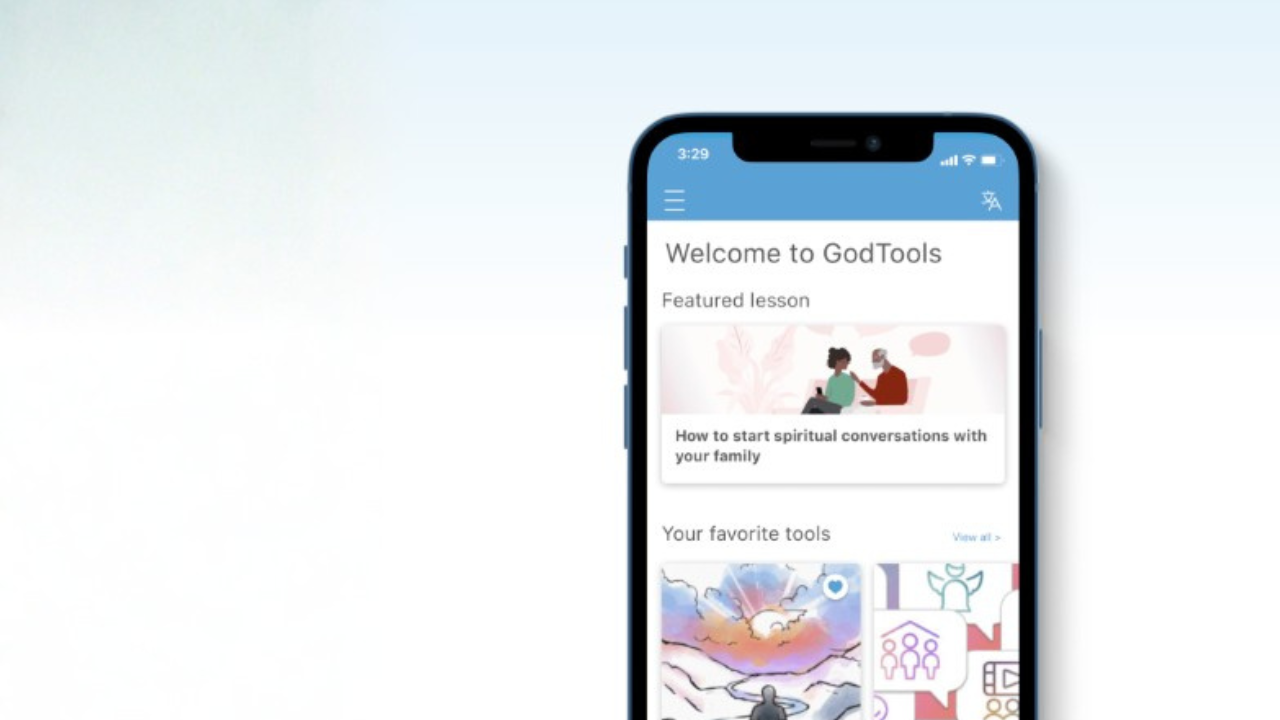
  • GodTools App: A free app with interactive ways to share your faith in different languages and styles.

“You don’t have to be perfect to start reaching your school.”

Following Up a New Believer

When someone accepts Christ, they need help knowing what to do next. Helping a new believer grow in their faith is one of the most rewarding things you can do.

Leading a Small Group

Small groups are a powerful way to build community and help students grow. If you can lead a good conversation, you can lead a small group.

  • Thrive Studies App: Includes dozens of studies on real-life topics and built-in leader training.

Campus Ministry Training

Reaching students on your campus is one of the most strategic ways to share your faith. Learning a few simple principles can help you start conversations, gather students, and take steps toward building a movement at your school.

  • Campus Training Videos – Short, practical videos to help you learn how to reach students on your high school campus. These eight trainings cover key topics like meeting students, starting conversations, sharing your faith, and taking simple steps to build a movement.

Other helpful tools


Next Step
Pick one tool and take a step this week to start a conversation or gather a few friends.
Ask a Coach – Tips from an Expert

Starting a ministry on your campus is an exciting step, but it can also raise a lot of questions. What should you do first? How do you find students who are interested? What if your group is small or things do not go the way you expected?

This is where a coach can help. A campus ministry coach is someone who has experience helping students and leaders start and grow ministries on high school campuses. They listen to what you are facing, help you think through wise next steps, and connect you with helpful tools and resources along the way.

Throughout the Reach Your School Playbook, you will see short insights from coaches who have spent years helping students reach their campuses. This page gathers more of those tips in one place so you can learn from their experience and keep moving forward.

Below are practical coaching tips from leaders who have walked this road before. As you read, look for what applies to your situation right now and take your next step. You can get your own coach by emailing us at coachingcenter@cru.org. We’d love to help.

Starting a ministry on your campus can feel overwhelming, but you do not have to figure it out alone.

Coaching Tips

  • Ask a few non-Christian friends how they would respond to your ideas, then process those same questions with Christian friends to sharpen your thinking.


  • Evangelism is the engine of your ministry, and helping students influence others is how you build future leaders.


  • You don’t have to figure this out alone, there are people with experience who would love to help you gather students and get the word out.


  • You have rights on campus, learn them, then live them out with confidence.


  • Many people are looking for something bigger than themselves, so give them a vision worth joining.


  • You may be walking past someone God is preparing, start a conversation and see what He does.


  • Pray Scripture, if God says it, you can pray it, and keep prayers short so more people can participate.


  • Invite a coach to join your team early, it will help you move faster and avoid common mistakes.


  • Use the tools available to you, there are helpful resources for sponsors, leaders, and teams if you ask.


  • When meeting with school leaders, bring others with you so it’s clear you’re building something together.


  • Be curious, kind, helpful, and bold, those four traits open doors.


  • Work with your school, not against it, staff can often help you more than you expect.


  • Teams help you reach more people, save time, and build momentum.


  • If your school allows non-curricular clubs, they must allow a Christian club too.


  • Use tools and visuals that help people remember and apply what they learn.


  • Create environments people actually want to be part of, whether on campus or off.


  • Use social media, simple graphics, and personal invites, everyone plays a role in getting the word out.


  • Have a clear process for identifying and developing student leaders.


  • Work within school expectations for roles, but organize your team in a way that actually helps you function.


  • Start outreach where you already have relationships, teams, clubs, and shared interests.


  • Use response cards or forms to follow up, gather feedback, and invite people into next steps.


  • If God is nudging you to take a step, go for it, but bring others with you.


  • Parents can be powerful allies, don’t be afraid to involve them.


  • Always have a next step ready so you can invite people while they’re still engaged.

Next Step

Do you have any questions for our coaches? If so, ask your question here, or request a coach for your ministry by emailing us at coachingcenter@cru.org!

Contact Us

Share This Post

More to Explore