The 10-Week Reach Your School Playbook Plan

The 10 Week Reach Your School Playbook Plan

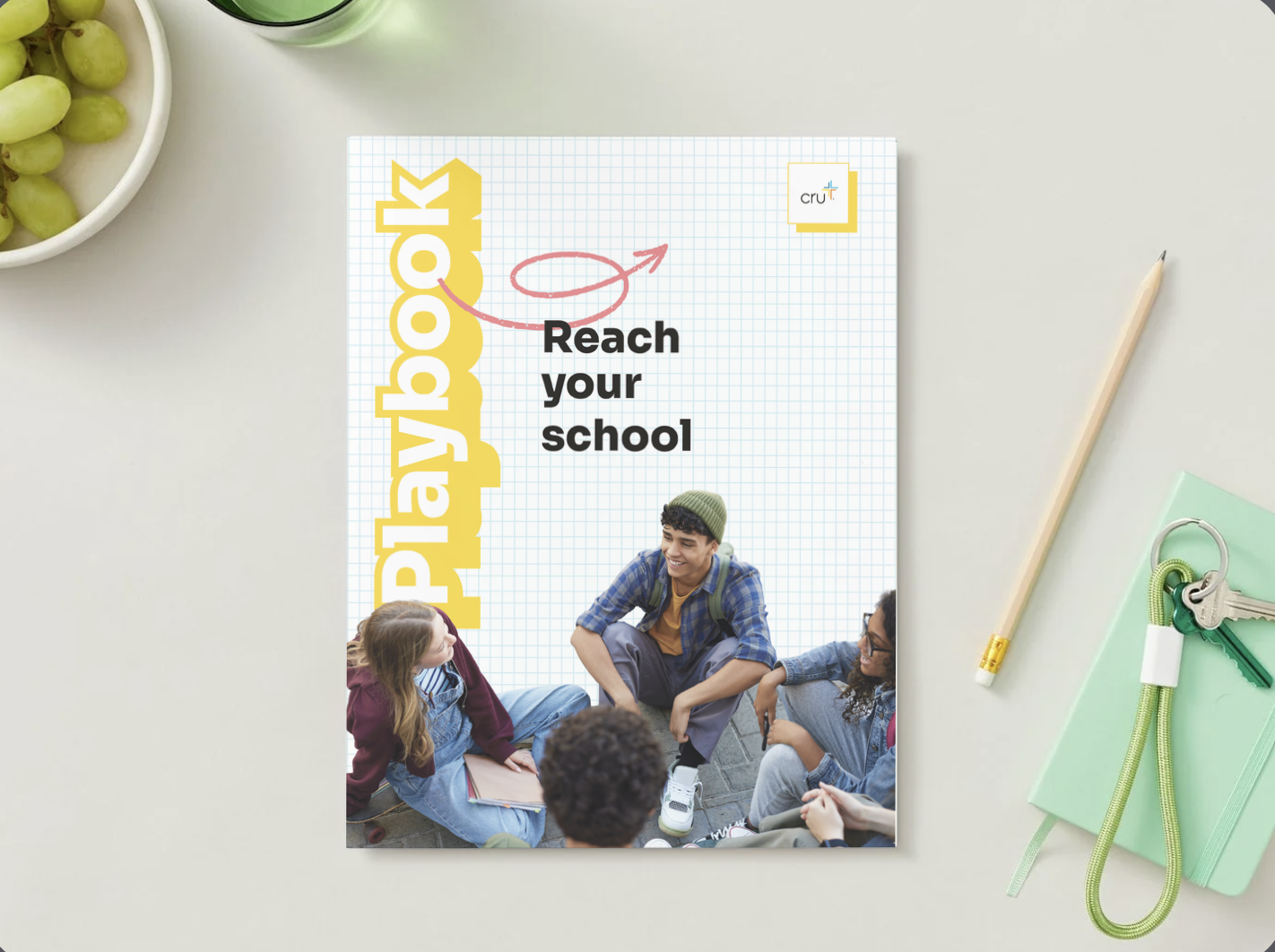
Starting a ministry at your school can feel exciting, overwhelming, inspiring, and scary all at once. That’s why the Reach Your School Playbook exists, to help you take simple, practical steps toward reaching your friends with the gospel. You were never meant to do this alone. 

This 10 week plan is designed to help you walk through the Playbook with a small group of friends, pray together, dream together, and take action together. Each week includes something to read, questions to discuss, and practical next steps to help you move forward. 

Don’t worry about having everything figured out before you begin. God often grows movements one small step of faith at a time.

Week 1 — Dream About Your School

Read

  • Read the DREAM section through “You can Build a Movement”
  • Go through the Reach Your Friends Challenge together.

Discuss

  • What do you think God could do at your school?
  • Why do you think reaching your school matters?
  • What are some challenges that students at your school face? 
  • What part of the Reach Your Friends Challenge stood out to you most?
  • What excites you most about this journey? What makes you nervous?

Action Steps

  • Complete the Reach Your Friends Challenge if you haven’t
  • Write down names of friends you want to reach.
  • Read the rest of the DREAM section before next week.
  • Begin praying daily for your school.

Pray

Pray together for your school before you dismiss

Week 2 — Gather People Around the Vision

Read

  • Read the rest of the DREAM section together.

Discuss

  • What concerns or fears do you have about starting something at school?
  • Did anything in the legality section surprise you?
  • Why is it important not to do ministry alone?
  • What kind of people could help this movement grow?
  • Who are some students you could invite into leadership?

Action Steps

  • Make a list of students and adults who could help.
  • Invite at least 2–3 students into the conversation.
  • Consider finding a coach or mentor.
  • Share the vision with another friend this week.

Week 3 — Prepare to Prayer Walk

Read

  • Read “Start with Prayer”
  • Read the Prayer Walking Section

Discuss

  • Why do you think prayer should come before action?
  • What would it look like for God to move at your school?
  • What areas of your school need prayer most?
  • How could prayer change the atmosphere of your campus?

Action Steps

  • Schedule a prayer walk for next week.
  • Decide on a time and place to meet.  Decide who will lead it.
  • Invite friends to join.
  • Brainstorm additional students and adults who may want to Prayer Walk.
  • Spend time praying specifically for your school each day.

Week 4 — Prayer Walk Your Campus

Focus

Meet together at your school and prayer walk using the “Prayer Walk” pages.

Discuss Afterwards

  • What stood out to you during the prayer walk?
  • Did anything surprise or encourage you?
  • What burdens do you feel for your school now?
  • What do you think God may be leading your group toward?

Action Steps

  • Celebrate taking a step of faith. Setting up a prayer walk is a big step of faith.
  • Write down ideas, observations, and next steps.
  • Continue inviting others into the vision.

Pray together again before next week.

“You were never meant to reach your school alone.”

Week 5 — Build a Prayer Plan

Read

  • Read the Remaining PRAY section content.

Discuss

  • What kind of prayer rhythms could work at your school?
  • Could students gather weekly to pray?
  • What obstacles might keep students from praying together?
  • How could prayer become part of your ministry culture?

Action Steps

  • Create a simple prayer plan for your school.
  • Decide how often you want to pray together.
  • Invite more students to join you.

Write your plan into the Playbook on the last page of the PRAY section.

Week 6 — Gather a Team

Read

  • Read the first part of the GO section, including “Decide How To Start”

Discuss

  • What kind of ministry would fit your school best?
  • What strengths do different students bring?
  • What would leadership look like on your campus?
  • What kind of culture do you want your ministry to have?

Action Steps

  • If you want to start a group on campus, you will need a teacher sponsor.  Your next priority is to find one.
  • Gather students who want to help lead.
  • Go through the Reach Your Friends Challenge with any new students.
  • Get Playbooks into the hands of your team.
  • Begin discussing what ministry might look like at your school. 

Week 7 — Decide How to Start

Read

  • Read the rest of the GO section

Discuss

  • Should your ministry begin on campus, off campus, or both?
  • What type of gathering would students actually come to?
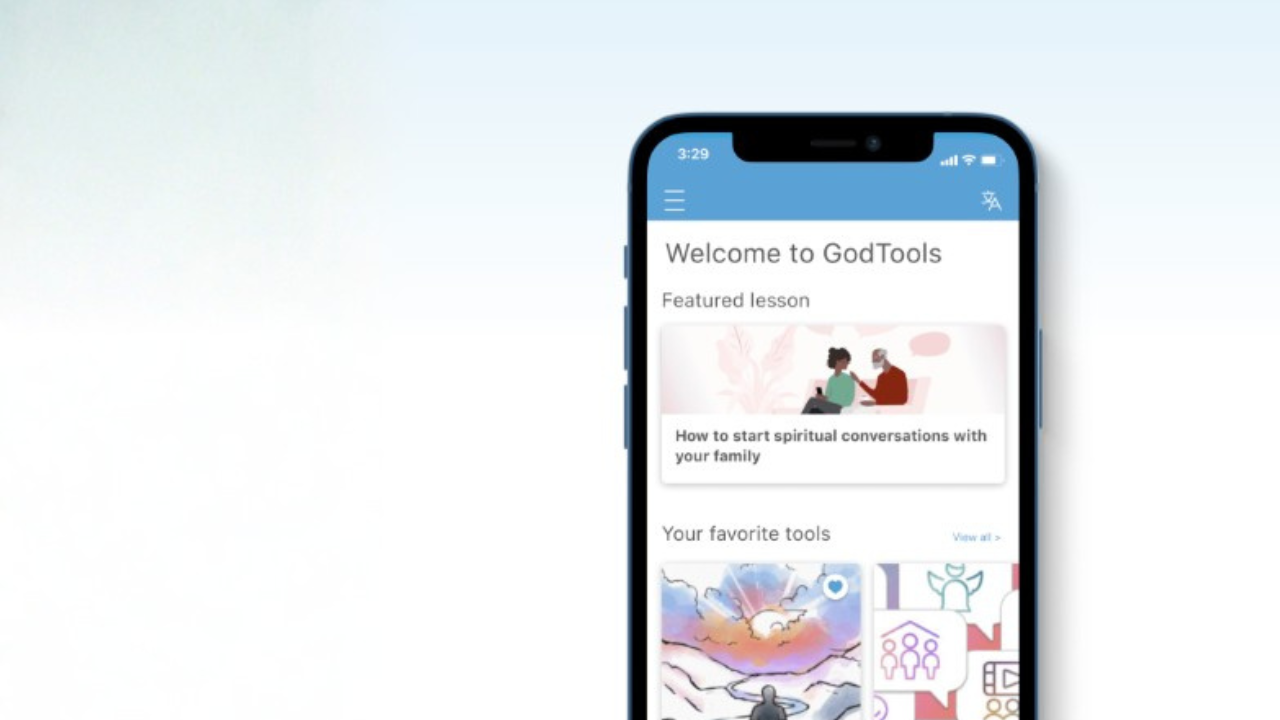
  • How could Thrive Studies help your group?
  • What practical steps need to happen before launch?

Action Steps

  • Work through the Cru Planning Sheet together.
  • Decide on a basic ministry approach.
  • Set tentative goals and plans.
  • Decide who is doing what and when.

Week 8 — Learn to Share Your Story

As you begin preparing to reach your school, you’ll learn a lot of new skills along the way. Two of the most important are learning how to share your story and how to clearly share the gospel. As you continue making plans for your launch, take time over the next couple of weeks to practice these skills together and grow in confidence. Learning these skills may take a few weeks, so feel free to stretch each skill over multiple weeks so you can learn and practice well. 

Read

Discuss

  • Why are personal stories powerful?
  • What has Jesus done in your life?
  • What makes sharing your testimony difficult?
  • How can authenticity help people trust you?

Action Steps

  • Write out your testimony.
  • Practice sharing it with the group.
  • Pray for opportunities to share it naturally.
  • Continue refining ministry plans.

Week 9 — Learn to Share the Gospel

If learning to share the gospel feels intimidating, don’t be discouraged, most Christians feel that way at first. We encourage you to ask a youth pastor, or other trusted spiritual leader to help train and encourage your group as you grow in confidence sharing your faith.

Read

Discuss

  • What makes gospel conversations intimidating?
  • How can you make conversations natural instead of forced?
  • Why is listening important in evangelism?

Action Steps

  • Practice sharing the gospel together

Pray for one person you want to talk with this week.

Week 10 — Prepare for Launch

Read

  • Read through the GROW content, or at least skim it together.
  • Explore GoToTheCampus.com

Discuss

  • What has God taught you since we started the Reach Your School Playbook?
  • What still needs to happen before launch?
  • How will you help your movement continue after it begins?
  • What other ministry skills would you like to learn?

Action Steps

  • Finalize your first ministry steps.
  • Set dates for your next gathering or outreach.
  • Keep meeting regularly as a team.
  • Explore additional tools and resources on GoToTheCampus.com.

Celebrate what God has already started.

Leader Tips

  • Keep your meetings conversational, not lecture-heavy.
  • Celebrate every small step of faith.
  • Don’t rush the process of building relationships and prayer.
  • Focus on helping students take ownership.
  • Expect that plans may change as students learn what works on their campus and what doesn’t
  • Keep pointing students back to Jesus, prayer, and loving people well.

More Great Lessons for Leaders

These additional lessons are designed to help your leadership team continue growing in ministry skills, leadership, evangelism, discipleship, and teamwork. Some groups may choose to use these lessons during the 10 week journey if they need more time before moving forward. Others may use them afterward as ongoing training for their core leadership team. Most of these lessons work well as 30 to 45 minute discussions or practice sessions.

Learn to Use Solarium

Soularium is a simple and engaging deck of picture cards that helps people start spiritual conversations naturally. Visit MySolarium.com and go through the short training videos together as a group. Spend time practicing conversations with one another so students grow more comfortable using the cards and asking spiritual questions.

Learn to Disciple Others

The Thrive Studies app includes several excellent studies to help students grow as leaders. Check these two out and explore others!
  • DISCIPLING OTHERS (4 weeks) – how to make disciples and follow up new believers
  • SOUND BARRIERS (4 weeks) – how to navigate difficult Gospel conversations.

Learn How to Follow Up a New Christian

One of the most important ministry skills is learning how to help someone grow after they begin following Jesus. Read and discuss the “How to Follow Up a New Christian” article at GoToTheCampus.com and talk through what caring for a new believer could look like on your campus.

Practice Leading a Small Group

One of the best ways to learn leadership is simply by practicing. Use the training content from Thrive Studies to help students learn how to lead discussions, ask good questions, listen well, and encourage participation. Consider rotating leadership so different students can practice facilitating the group.

Watch Campus Ministry Training Videos

GoToTheCampus.com contains 8 videos designed to help you reach the campus.  While some are designed for adults, most are great for all ages and will help you prepare to reach your school.  Watch them and discuss with your friends at cru.org/gotothecampus/campus-training

Use the “Who’s In Your World?” Exercise

In the back of the Reach Your School Playbook, you’ll find the “Who’s In Your World?” exercise. This is a great activity to help students think intentionally about the people God has placed around them. Spend time brainstorming friends, classmates, teammates, clubs, and social circles that students could pray for, invite, and begin building relationships with.

Plan a Team Outreach

Spend a meeting brainstorming ways your group could reach students together. You may want to look through the large group outreach ideas at GoToTheCampus.com and discuss what kinds of events, discussion groups, service projects, or outreaches might fit your school culture best.

Explore More Tools and Resources

There are many additional resources available to help your ministry grow. Visit the article “Tools and Resources to Help You Build and Grow Your Ministry” at GoToTheCampus.com to discover more studies, training tools, outreach ideas, and leadership resources for your team.
Next Step
Download the Reach Your School Playbook and invite a few friends to begin the 10 week journey together.

RECENT POSTS

Tools and Resources to Help You Build and Grow Your Ministry
A curated list of practical tools, training, and resources to help you start, grow, and lead a ministry on your campus.
The Reach Your School Playbook
A simple, step-by-step guide to help students, and the adults who support them, start and grow a movement to reach their school.
Comment Cards 101: Capture Interest, Build Relationships
A simple guide to using comment cards to capture student interest, build relationships, and follow up effectively after any event.
Tools and Resources to Help You Build and Grow Your Ministry

Please use the url [rysp-resources] for this article.


Starting and growing a ministry can feel overwhelming, but you don’t have to do it alone. There are tools and resources designed to help you take simple, practical steps, whether you’re starting conversations, leading a group, or building a movement on your campus.


Explore the sections below and find one thing you can try this week.

Ministry Skills and Tools

Other Helpful Links

Helpful Websites

“Start with your circle, start with your world.”

Next Step
Pick one tool from this page and try it this week!
The Reach Your School Playbook

You want to make a difference at your school. You care about your friends. You see the need. You’ve probably even thought, “Someone should do something.”

What if that someone is you?

The Reach Your School Playbook was created to help students take that step, and to give adults a simple way to support them along the way.

Made for Students, Helpful for Adults

This Playbook is designed first for students. It helps you take ownership, lead your friends, and build something that actually reaches your school.

At the same time, if you’re an adult, youth leader, parent, or volunteer, this gives you a clear way to come alongside students without taking over.

  • Students lead
  • Adults support
  • Everyone moves forward together

Why Most People Don’t Start

A lot of students never take the first step. Not because they don’t care, but because they feel stuck.

  • “Where do I even begin?”
  • “What if no one shows up?”
  • “How do I get others involved?”

Uncertainty can keep people from moving. This Playbook breaks that barrier. It gives you a clear path so you can stop overthinking and start doing.

What This Helps You Do

This isn’t just ideas sitting on a page. It’s a practical guide you can actually use right now.

With the Playbook, you can:

  • Start something meaningful, even if you’re on your own
  • Gather a few friends and build momentum
  • Share your faith in natural, real ways
  • Lead with confidence, even if you’ve never led before
  • Build something that lasts beyond you

You don’t have to have it all figured out. You just need a place to start.

“Start where you are, use what you have, take the first step.”

A Simple Path to Follow

The Playbook walks you through five clear steps. Each one is simple, practical, and designed to help you take action.

  • DREAM: Start with a vision for your school and what God could do there
  • PRAY: Learn how to pray for your campus in real, meaningful ways
  • GO: Take action, gather a team, and begin reaching people
  • GROW: Build a group that develops leaders and multiplies
  • SEND: Help others step out and reach their friends too

You don’t have to guess what to do next. It’s right there in front of you.

Built to Be Used, Not Just Read

This isn’t a long manual you’ll never finish. It’s short. It’s simple. It’s designed to move you forward.

  • Easy to read
  • Clear next steps
  • Real examples
  • Space to think and act

You can go through it on your own, or walk through it with a couple of friends. Adults can use it to guide conversations and help students take ownership.

You Don’t Have to Do This Alone

Starting something can feel intimidating. But you’re not on your own. The Playbook connects you to tools, coaching, and a bigger movement of people who are doing the same thing. Take one step, and you’ll find support along the way.

Start Today

You don’t need a perfect plan. You just need a first step.

Next Step
Download the Playbook with the button above and walk through the first section this week with a friend!
Comment Cards 101: Capture Interest, Build Relationships

Why Comment Cards Matter

The most important thing you do in ministry isn’t running events, it’s building relationships. Big gatherings are great, but they aren’t personal. Comment cards help you bridge that gap. They give students a simple way to raise their hand and say:

  • “I’m interested”
  • “I want to get involved”
  • “I want to talk”
  • “I made a decision”

A comment card is more than a form. It’s a filter. The event gathers the crowd, but the comment cards reveal the ones who are ready. Instead of guessing who’s interested, students tell you. And that’s what allows you to follow up personally and meaningfully.

Download Comment Cards

Physical vs. Digital Comment Cards

You can collect information digitally, but physical cards still win.

Physical Cards

  • Higher response rate
  • Easier to complete in the moment
  • No distractions
  • Feels more intentional

Digital Options

  • Students are less likely to fill them out
  • Distractions
  • Technical glitches

Digital can work, but many ministries find they get about half the responses compared to physical cards. Even in a digital world, physical cards often get better results. If you want the most responses, go physical first.

“The card isn’t the win, the conversation is.”

How to Use Comment Cards

1. Pass Them Out at the Right Moment
Usually at the end of a meeting or outreach, when interest is highest.

2. Give Everyone a Pen or Pencil
Don’t assume students have one. They won’t.

3. Walk Through the Card Together
This is huge. Once everyone has a card, read each section out loud and guide them:

  • “Write your name here”
  • “Check this if you want to get involved”
  • “Check this if you prayed to receive Christ”

If you don’t do this, students rush through and check random boxes.

4. Give Them Time to Complete It
Pause. Let them actually fill it out.

5. Collect Them Immediately
Don’t leave it optional or vague.

Use Incentives to Increase Response

Want more cards turned in? Use prizes.

  • Gift cards
  • Snacks
  • Fast food coupons
  • Free merch

Tell them:
“Turn in your card, we’ll draw for prizes.”

It works. A simple prize can double your response rate.

Best Practices That Make a Big Difference

Use cardstock
Regular paper tears or gets ruined. Cardstock holds up better.

Keep it simple
Too many options overwhelm students.

Look through cards immediately
Scan for:

  • Students who want to get involved
  • Spiritual decisions
  • Urgent needs

If possible, connect with them before they leave the meeting. The best practice is to follow up within 24–48 hours. After that, interest fades fast. So if. you can talk with them before they leave and set up a time to connect again in the next day or so, you will get your best results.

Turning Cards Into Conversations

A comment card is just the beginning. The goal isn’t collecting information. The goal is connection. Use what they checked to guide your follow-up:

  • Grab lunch
  • Meet after school
  • Start a Bible study
  • Have a gospel conversation

Final Thought

Comment cards can feel like a small detail, but they might be one of the most important things you do at an event. They help you move from a crowd, to a conversation, to a changed life.

Next Step
Download a comment card and use it at your next meeting.

Share This Post

More to Explore