Why Reach Teenagers? Because They’re Hurting, Searching, and Ready

Teenagers are searching. They’re hurting, curious, and wide open to the kind of hope only Jesus can offer. Many are silently asking, Who am I?, Do I matter?, What’s real? In a world that offers endless noise and few real answers, students are desperate for someone to show up, listen, and point them toward something solid.

If we care about reaching people, we have to care about reaching teenagers. They’re in one of the most vulnerable, formative stages of life and they’re more open to spiritual conversations than most adults. Teenagers aren’t just the future of the Church, they’re the present mission field. When you reach a student with the gospel, you don’t just change their story, you help rewrite every story their life will touch.

And practically speaking, almost every person passes through a high school. If we focus on reaching students, we’re planting the gospel in places that impact entire communities.
Copy of Launch Hourglass (3)

A Tolerant Generation

This generation is incredibly open. Gen Z places a high value on acceptance, self-expression, and individual freedom. They believe people should be free to define their own truth and identity, and while that leads to less judgment, it also means more confusion. With so many competing voices, teenagers are searching for something solid to build their lives on.

  • Moral Relativism: 60% of Gen Z say what is morally right or wrong “depends on what an individual believes.”
  • Moral Flexibility: 61% say happiness is the ultimate goal in life, and morality changes based on society.
  • Moral Independence: Only 4% of Gen Z hold a biblical worldview. Most are building their moral beliefs from personal experience, feelings, and cultural trends.

This tolerance creates spiritual openness but also reveals a desperate need for clarity and truth.

“Teenagers are searching. They’re hurting, curious, and wide open to the kind of hope only Jesus can offer.”

A Lonely Generation

Despite being more digitally connected than any generation before them, today’s teens are deeply lonely. Social media, performance pressure, and isolation have taken a toll on their mental and emotional health. Many feel unseen, anxious, or numb. They’re not just scrolling for entertainment, they’re searching for belonging.

  • Constant Screen Use: Nearly half of teens (46%) say they are online “almost constantly.”
  • Bullying Prevalence: In 2021, 1 in 6 high schoolers were bullied at school, and 16% were cyberbullied.
  • Rising Sadness: 42% of U.S. high schoolers reported persistent feelings of sadness or hopelessness in 2021.
  • Suicide Crisis: Every 100 minutes, a teenager takes their own life.

Behind the selfies and TikToks is a generation quietly asking, “Do I matter?” The gospel speaks directly to that ache.

“Behind the selfies and TikToks is a generation quietly asking, ‘Do I matter?’”

An Open Generation

The very pressures that have left teens lost have also left them spiritually hungry. Teens are asking deep questions about meaning, identity, and purpose. They may be less religious, but they’re not less curious. This is a generation wide open to spiritual conversations—especially when they are honest, respectful, and centered on Jesus.

  • Interest in Jesus: 77% of U.S. teens are at least somewhat motivated to learn more about Jesus.
  • Pain Driving Spiritual Curiosity: 49% say their generation is more curious about faith because of the challenges they’ve faced.
  • Desire for Meaning: 52% say they are actively searching for purpose in life.
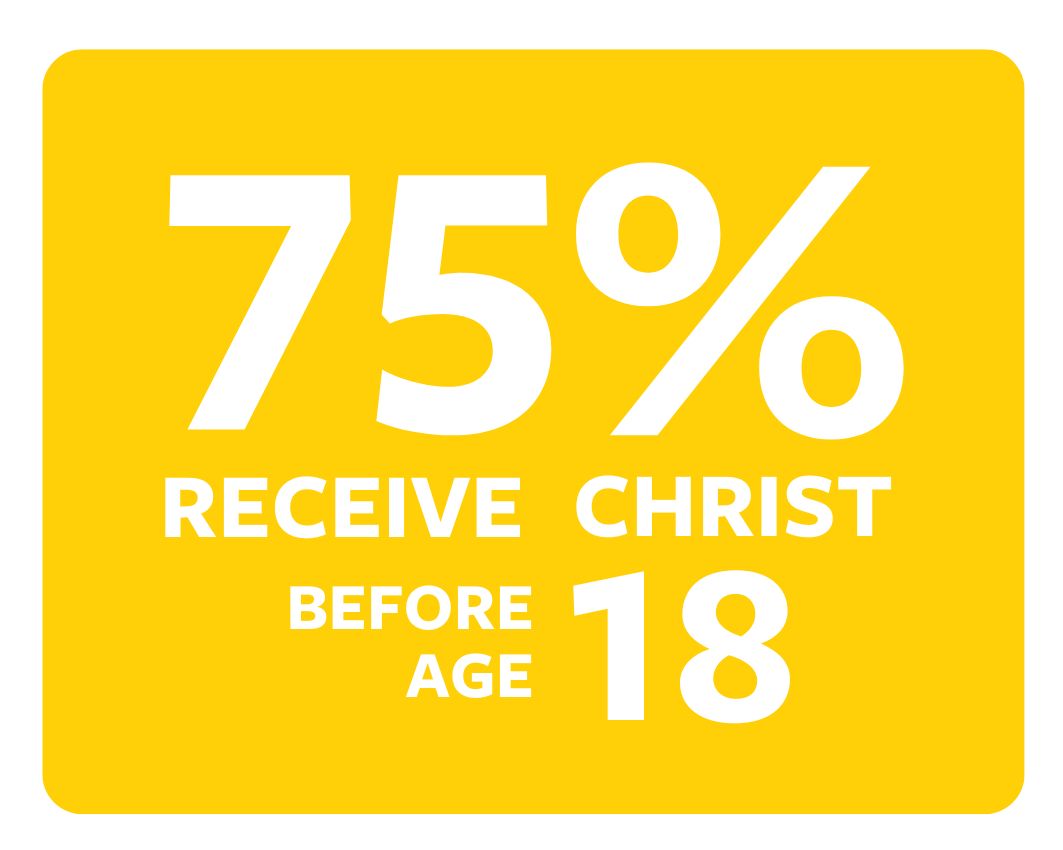
  • Gospel Urgency: “About three fourths of all people who have consciously, intentionally, and personally chosen to embrace Jesus Christ as their Savior did so before their 18th birthday.” – George Barna

If we don’t step in with truth, someone else will fill that gap with counterfeit answers. Now is the time to meet them where they are.

“If we don’t step in with truth, someone else will fill that gap with counterfeit answers.”

Reaching Everyone

If you wanted to reach everyone with the gospel in any given city, where would you go? Is there a place where everyone goes?

Almost the entire population goes through middle schools and high schools at some point. Reaching those campuses is one of the most strategic things we can do.

In Cru, we want to give everyone a chance to know someone who truly follows Jesus. This is our plan. We go to the local middle or high school and take steps of faith to serve and share the gospel with teenagers.

Why do we go to the local schools? Because that is where all the teenagers are! They are asking the questions, and we believe Jesus has the best answers. They are hurting, and we believe that we can help.

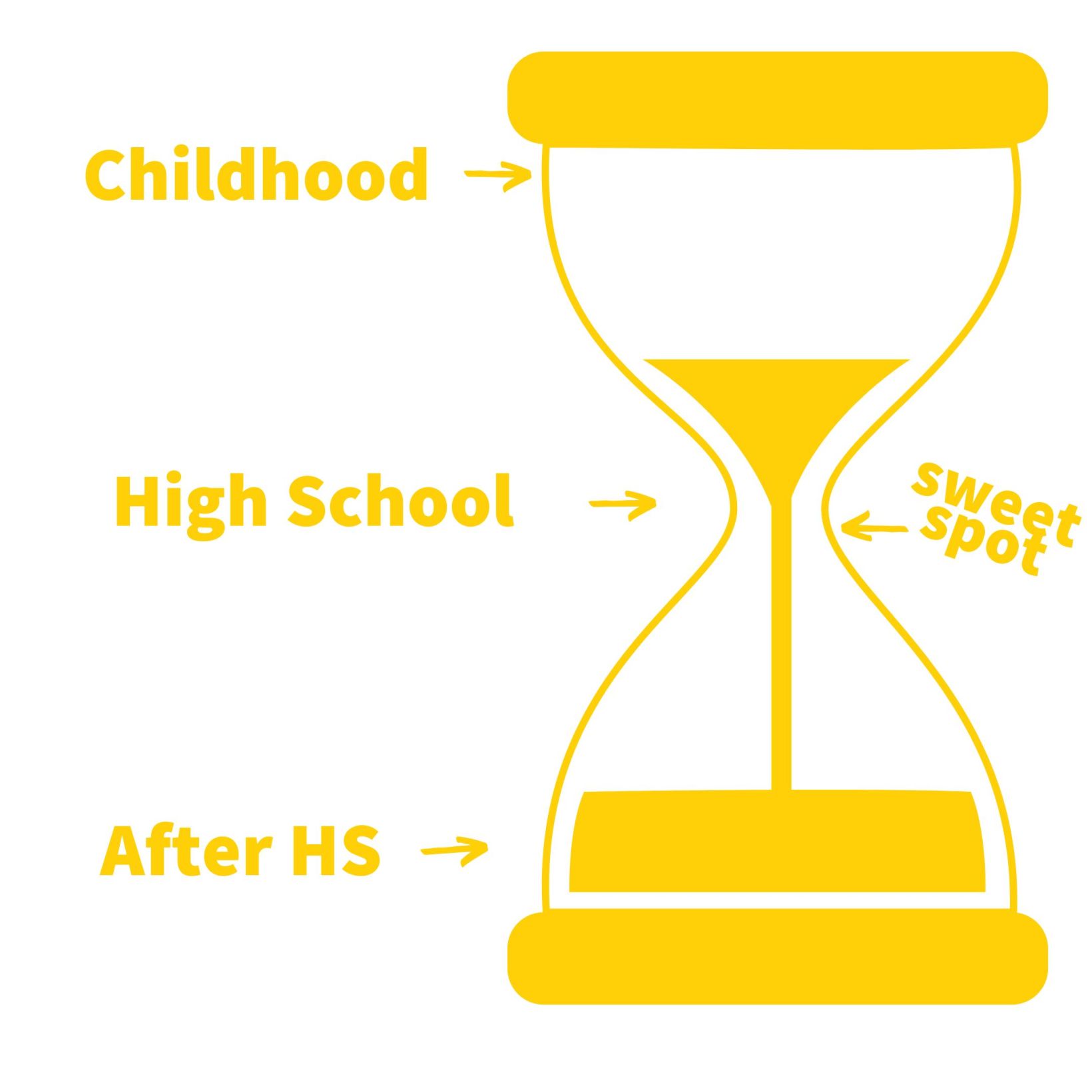
The best time to share the gospel with someone is during their teenage years.
Copy of Copy of Copy of Copy of Untitled (2)

Conclusion

This generation is open. They’re hurting, curious, and more spiritually aware than we often realize. But they won’t find Jesus unless someone brings Him to them. That someone could be you.

When you reach a teenager, you reach more than a moment—you shape a lifetime. Their faith doesn’t stop at graduation. It grows, multiplies, and impacts the people around them. That’s why we go to the campus. That’s why we start here.

Next Step

Find out if there is a Cru ministry reaching teens near you, and consider how you can invest in reaching teens with us.

Find Cru Near You

RECENT POSTS

How Do I Start a Cru Movement at My School?
Whether you want to do your own thing or become part of Cru, here’s how to start reaching your school for Christ.
Campus Ministry Toolkit: Skills and Tools to Reach your School
Simple skills and tools to help you start conversations, share your faith, and build a movement on your campus.
The Reach Your School Playbook
The main landing page for the Reach Your School Playbook, with links to buy print copies and download the Playbook and Appendix PDFs.
How Do I Start a Cru Movement at My School?

If you’ve got a vision to reach your school for Christ, you’re asking exactly the right question. Whoever you are, a student, teacher, youth pastor, college student, or concerned adult, here’s how to get started. There are two ways to go about it.

1. Do Your Own Thing

If you’d like to gather some friends, share your faith, and build something without any formal ties, just start with the playbook. The Reach Your School Playbook gives you everything you need to get started today.

2. Call Yourself Cru

If you’d like to use the Cru name and logos, and be part of a wider movement beyond just your campus, here’s what that looks like:


Doing Your
Own Thing

Being Called
Cru

Use the Cru name and logosNoYes
Need a coach to get startedNoYes
Part of the wider Cru movementNoYes
Get ongoing support from Cru staffNoYes
Can start today, no waitingYesStill fast — just a call first

"Whichever path you choose, you don’t have to figure it out alone."

How to Get Started

If you want to call yourself Cru, the way to get started is to connect with a coach, that’s how you register your movement. This is separate from anything your own school requires; if your campus has its own club registration process, you’ll still want to check with your school on that too.

A coach is a Cru staff member whose job is to walk alongside you as you get started. Here’s what working with a coach actually looks like from there:

  • It’s free. No cost involved, no catch.
  • No pressure. You reach out, someone gets back to you with information and answers your questions, and there’s no commitment required just to ask.
  • Go at your own pace. You and your coach agree on a rhythm together, whether that’s weekly, every other week, or monthly, usually in calls of about 20 to 30 minutes.
  • The calls are practical. Your coach checks in on how things are going, helps you work through whatever challenges you’re facing, brainstorms ideas with you, and prays for you.
  • Real experience backs it up. Coaches have spent years working directly with students, teachers, and other volunteers on campuses like yours.
  • You get resources. Training and tools to help you lead with confidence, even if this is your first time.
  • It fits around your life. Coaches build their availability around your schedule.

Through it all, you’re helping students hear about Jesus, grow in their faith, and go on to reach others too. And whether you’re the student or the adult in this story, you stay the one leading it. Your coach walks alongside you; the coach doesn’t take it over.

Check Out the Playbook

Whichever path you choose, the Reach Your School Playbook is worth having in hand. It walks you through four simple steps — DREAM, PRAY, GO, GROW — for building something that reaches your school.

Download the Reach Your School Playbook

Whichever path you choose, don’t wait until everything feels figured out. Gather a few friends, open the Playbook, or send that first email to a coach. The important thing is that you start. Somewhere out there, a student at your school is waiting for someone to notice them, and that someone could be you.

Next Step
Ready to call yourself Cru? Reach out to the Coaching Center today: Email coachingcenter@cru.org and say, “I’d like to have a coach please!” Or call 1-877-GO-CAMPUS
Campus Ministry Toolkit: Skills and Tools to Reach your School

As you learn to reach your school, there are some key ministry skills that will make a big difference. These are things every Christian student can grow in and you don’t have to be perfect to get started. We also have some great tools to help you take your next step. With a little courage and the right resources, you’ll be amazed how God can use you in your school.

Starting Spiritual Conversations

Bringing up spiritual topics can be hard, but it’s one of the most important steps in reaching your friends. If no one starts the conversation, most students will never talk about their faith.

Sharing Your Testimony

Your story matters. Sharing what God has done in your life can open hearts and help others realize that faith is personal and real.

Sharing Your Faith

The gospel is powerful and your friends need to hear it. Learning how to clearly explain the message of Jesus is a huge step in making your faith your own and helping others follow Him. 

  • How to Share the Gospel (article): a step-by-step guide to help you share the gospel with a friend.
  • Connecting with God Booklet: A short, simple booklet you can read through with a friend to explain how they can know Christ.
  • The Four Wristband: A wearable tool with four simple symbols to help you talk about God’s love and how to receive Christ.
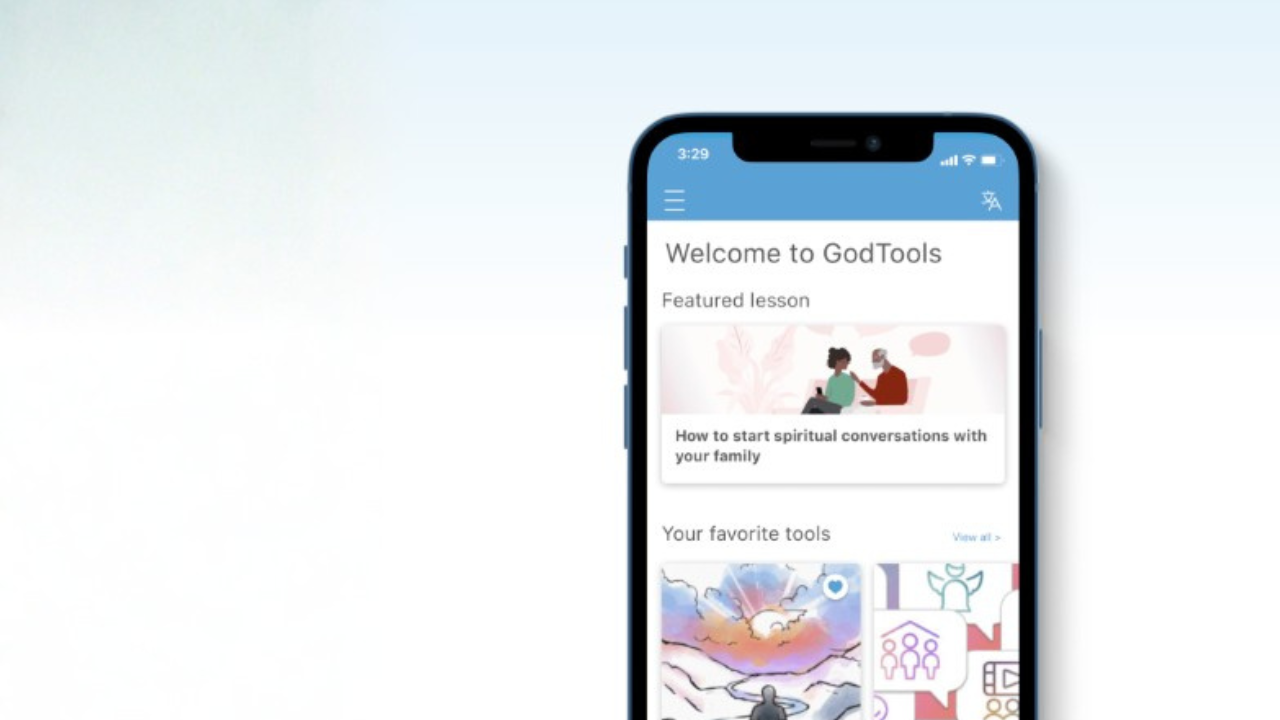
  • GodTools App: A free app with interactive ways to share your faith in different languages and styles.

“Your story could be the reason someone takes a step toward Jesus.”

Following Up a New Believer

When someone accepts Christ, they need help knowing what to do next. Helping a new believer grow in their faith is one of the most rewarding things you can do.

Leading a Small Group

Small groups are a powerful way to build community and help students grow. If you can lead a good conversation, you can lead a small group.

  • Thrive Studies App: Includes dozens of studies on real-life topics and built-in leader training.

Campus Ministry Training

Reaching students on your campus is one of the most strategic ways to share your faith. Learning a few simple principles can help you start conversations, gather students, and take steps toward building a movement at your school.

  • Campus Training Videos Short, practical videos to help you learn how to reach students on your high school campus. These eight trainings cover key topics like meeting students, starting conversations, sharing your faith, and taking simple steps to build a movement.

Other Helpful Tools

Some Great Websites You Don't Want To Miss

Next Step
Pick one tool and take a step this week to start a conversation or gather a few friends.
The Reach Your School Playbook

You can reach your school. We can help.

You’ve probably looked around your campus and thought, someone should do something. What if that someone is you?

The Reach Your School Playbook is a simple, practical guide that helps you make the first move. It’s short, clear, and built to move you forward, not a long manual you’ll never finish. Whether you’re a student ready to lead or an adult wanting to come alongside one, this is your starting point.

You can actually do this

Most people never start, not because they don’t care, but because they feel stuck. Where do I even begin? What if no one shows up?

The Playbook clears that away. It gives you a path so you can stop overthinking and start doing. You don’t need a perfect plan or all the answers. You don’t have to be the popular kid or have it all together. You just need a first step, and a little courage.

And the friends you’re thinking about right now matter. You might be the one who helps them find Jesus.

Start where you are. Use what you have. Take the first step.

A simple path to follow

The Playbook walks you through four clear steps, each one designed to help you take action:

  • Dream — Start with a vision for your school and what God could do there.
  • Pray — Learn to pray for your campus in real, meaningful ways.
  • Go — Take action, gather a team, and begin reaching people.
  • Grow — Build a group that develops leaders and multiplies.

It might start with a single conversation at lunch, or a few friends praying before class. You don’t have to guess what comes next. It’s right there in front of you.

Made for students, helpful for adults

The Playbook is written first for students, because we believe teenagers can lead and make a real impact at their school. But if you’re a parent, teacher, youth leader, or volunteer, you’re not on the sidelines. There’s a whole section just for you, whether you’re supporting a student who’s leading or stepping out to start something yourself.

Students lead. Adults support. Everyone moves forward together.

"Students lead. Adults support. Everyone moves forward together."

You’re not on your own

Starting something can feel intimidating. But you don’t have to figure it out alone. The Playbook connects you to tools, coaching, and a bigger movement of people doing the same thing. Take one step, and you’ll find support along the way.

Get the Playbook

So don’t wait until it all makes sense. Grab a copy below — get one for yourself, and consider extra copies for your key leaders.

Next Step
Download the Playbook, then invite a few friends to walk through the first section with you this week.

Share This Post

More to Explore