VICTORY BEYOND THE CUP: A World Cup Outreach for Teenagers

Victory Beyond the Cup: World Cup Outreach – Teenage Version

This occasion is so big we can only handle it every four years. (It may be because the World Cup only comes every four years, but that’s beside the point!)

If you are planning a World Cup outreach, we strongly encourage you to order the Victory Beyond the Cup kit at victorybeyondthecup.com. The kit provides training, strategy, training videos and materials that will help you put together a meaningful outreach event.

This page is meant to supplement that kit, especially if you are planning something for middle school or high school students. The materials below offer ideas and tools that can help you shape a World Cup event that connects well with teenagers. Together, the kit and these ideas can help you create a fun and impactful outreach.

What Are We Aiming For?

Fun and impact.

The average event will center around three simple things:

  • the World Cup game
  • the food, and
  • the relationships

Start by thinking about a group of people you are already connected to. It could be a team, a school organization, a group of friends, neighbors, your youth group, or another circle of students who already know each other. The goal is to gather people in a relaxed environment where friendships can grow and spiritual conversations can naturally happen.

What Do We Have in This Package?

Games

We recommend offering small prizes for winners. They do not need to be expensive. The point is simply to add energy and fun to the event.

Trivia

There is also a World Cup Trivia game for the audience to guess the answers. One rule that makes it more fun: no phones allowed.

Trivia works great during breaks in the game and helps keep everyone engaged.

Videos and Halftime Program

Halftime is a natural moment to pause the event and turn the conversation toward faith.

During the halftime program, you could:

A helpful place to find athlete testimonies is Iamsecond.com, which includes many powerful faith stories from athletes and public figures.

Gospel Presentation

We recommend using The Four as a tool for presenting the gospel to the friend group.

The Four provides a simple way to explain the message of Jesus and start spiritual conversations with friends. CLICK HERE to find videos and other resources that can help you become familiar with it before your event.

Additional Activities

Not everyone who attends will be fully interested in the game itself. Some students may simply enjoy being with friends. To help those guests stay engaged, consider offering a few extra activities such as:

These options allow students to participate in the event in ways that feel comfortable for them.

The goal is to gather people in a relaxed environment where friendships can grow and spiritual conversations can naturally happen.

Gaming Centered Party Version

In some groups, students may be more excited about playing soccer video games than watching the actual World Cup match. If that is true for your group, you can still use the momentum of the World Cup by hosting a video game tournament instead.

You could organize a tournament using games like FIFA, Rocket League, or other soccer themed games and create your own “World Cup” competition for the night. Students can compete in teams, advance through brackets, and enjoy the same excitement and friendly competition.

This kind of event can still include food, fun, and a halftime moment where you share a testimony and the gospel.

We have two helpful resources you can use if you want to run a gaming focused version of the outreach:

Capturing the Moment

When something big captures the attention of the culture, it creates a unique opportunity. Events like the World Cup bring people together, spark excitement, and give us a natural reason to gather with friends. Moments like this can also open doors for deeper conversations about faith.

By using the energy around the World Cup, you can create an environment where students have fun together and also hear about Jesus in a meaningful way. We hope this guide helps you make the most of the moment and create an outreach that students will remember long after the final whistle.

Next Step

Looking for more ways to reach students? Explore GoToTheCampus.com for outreach ideas, student training, Bible studies, and practical resources to help teenagers share the gospel on their campuses.

Check out Gotothecampus.com

RECENT POSTS

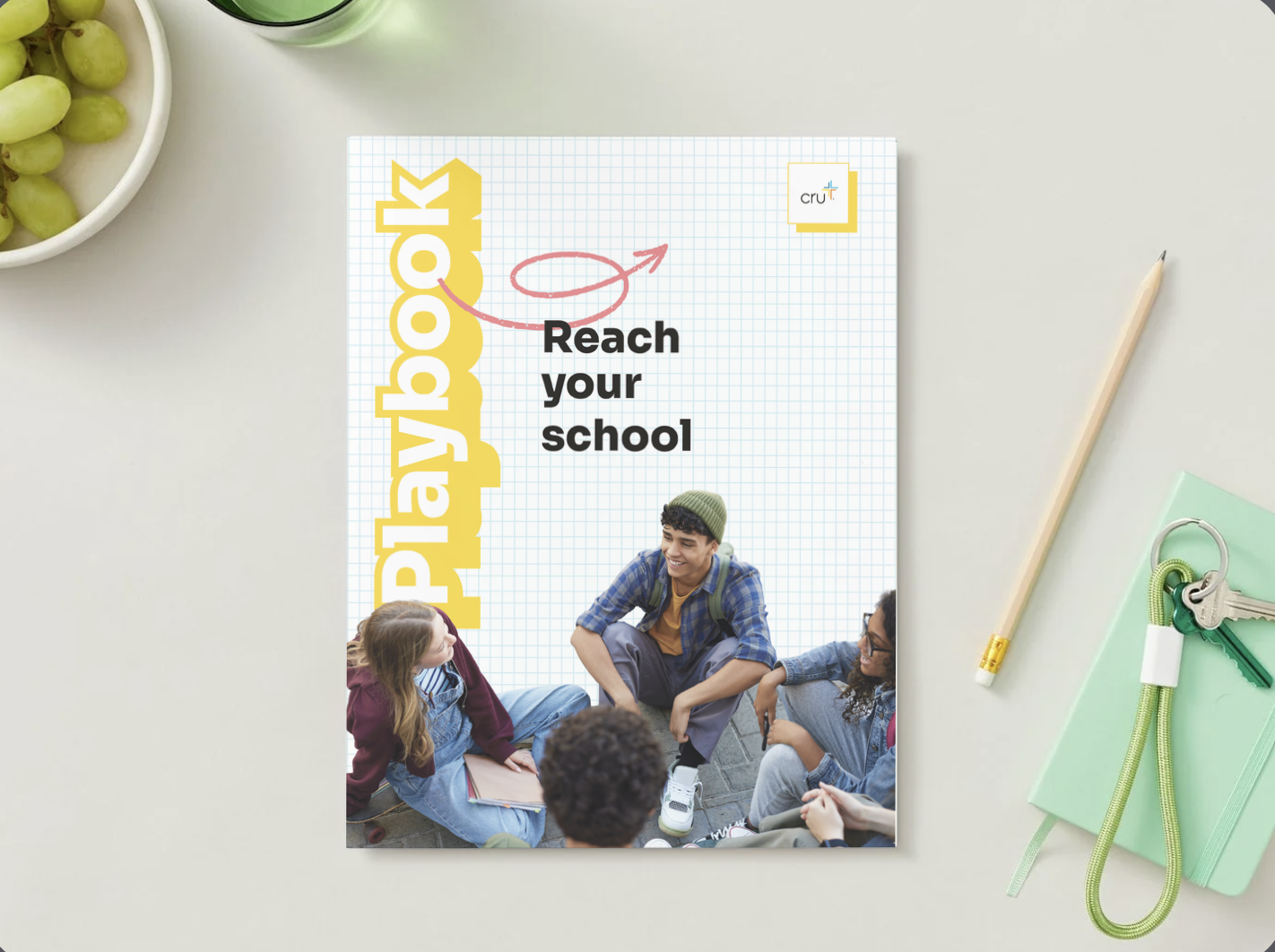
The Reach Your School Playbook
A simple, step-by-step guide to help students, and the adults who support them, start and grow a movement to reach their school.
Comment Cards 101: Capture Interest, Build Relationships
A simple guide to using comment cards to capture student interest, build relationships, and follow up effectively after any event.
Student Leader Application and Covenant
Two optional documents to help you identify, prepare, and support student leaders with clarity and consistency.
The Reach Your School Playbook

You want to make a difference at your school. You care about your friends. You see the need. You’ve probably even thought, “Someone should do something.”

What if that someone is you?

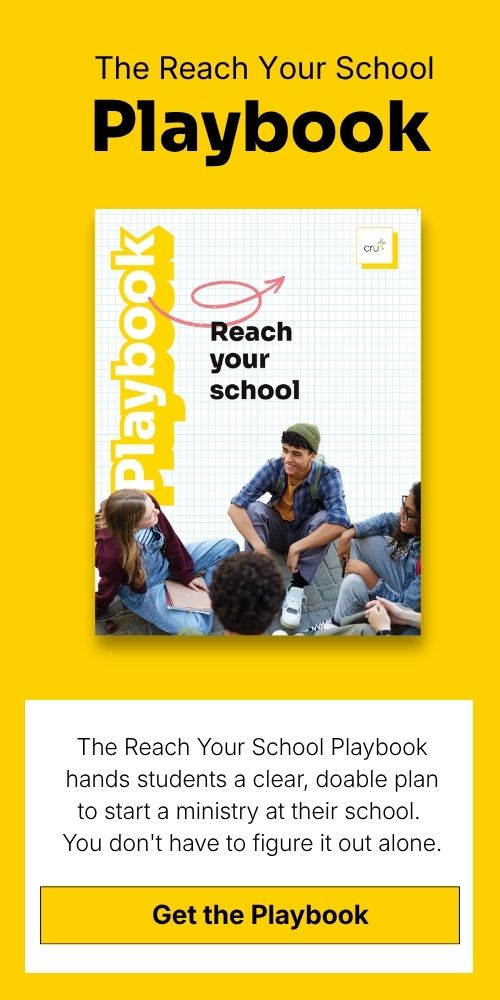
The Reach Your School Playbook was created to help students take that step, and to give adults a simple way to support them along the way.

Made for Students, Helpful for Adults

This Playbook is designed first for students. It helps you take ownership, lead your friends, and build something that actually reaches your school.

At the same time, if you’re an adult, youth leader, parent, or volunteer, this gives you a clear way to come alongside students without taking over.

  • Students lead
  • Adults support
  • Everyone moves forward together

Why Most People Don’t Start

A lot of students never take the first step. Not because they don’t care, but because they feel stuck.

  • “Where do I even begin?”
  • “What if no one shows up?”
  • “How do I get others involved?”

Uncertainty can keep people from moving. This Playbook breaks that barrier. It gives you a clear path so you can stop overthinking and start doing.

What This Helps You Do

This isn’t just ideas sitting on a page. It’s a practical guide you can actually use right now.

With the Playbook, you can:

  • Start something meaningful, even if you’re on your own
  • Gather a few friends and build momentum
  • Share your faith in natural, real ways
  • Lead with confidence, even if you’ve never led before
  • Build something that lasts beyond you

You don’t have to have it all figured out. You just need a place to start.

“Start where you are, use what you have, take the first step.”

A Simple Path to Follow

The Playbook walks you through five clear steps. Each one is simple, practical, and designed to help you take action.

  • DREAM: Start with a vision for your school and what God could do there
  • PRAY: Learn how to pray for your campus in real, meaningful ways
  • GO: Take action, gather a team, and begin reaching people
  • GROW: Build a group that develops leaders and multiplies
  • SEND: Help others step out and reach their friends too

You don’t have to guess what to do next. It’s right there in front of you.

Built to Be Used, Not Just Read

This isn’t a long manual you’ll never finish. It’s short. It’s simple. It’s designed to move you forward.

  • Easy to read
  • Clear next steps
  • Real examples
  • Space to think and act

You can go through it on your own, or walk through it with a couple of friends. Adults can use it to guide conversations and help students take ownership.

You Don’t Have to Do This Alone

Starting something can feel intimidating. But you’re not on your own. The Playbook connects you to tools, coaching, and a bigger movement of people who are doing the same thing. Take one step, and you’ll find support along the way.

Start Today

You don’t need a perfect plan. You just need a first step.

Next Step
Download the Playbook with the button above and walk through the first section this week with a friend!
Comment Cards 101: Capture Interest, Build Relationships

Why Comment Cards Matter

The most important thing you do in ministry isn’t running events, it’s building relationships. Big gatherings are great, but they aren’t personal. Comment cards help you bridge that gap. They give students a simple way to raise their hand and say:

  • “I’m interested”
  • “I want to get involved”
  • “I want to talk”
  • “I made a decision”

A comment card is more than a form. It’s a filter. The event gathers the crowd, but the comment cards reveal the ones who are ready. Instead of guessing who’s interested, students tell you. And that’s what allows you to follow up personally and meaningfully.

Download Comment Cards

Physical vs. Digital Comment Cards

You can collect information digitally, but physical cards still win.

Physical Cards

  • Higher response rate
  • Easier to complete in the moment
  • No distractions
  • Feels more intentional

Digital Options

  • Students are less likely to fill them out
  • Distractions
  • Technical glitches

Digital can work, but many ministries find they get about half the responses compared to physical cards. Even in a digital world, physical cards often get better results. If you want the most responses, go physical first.

“The card isn’t the win, the conversation is.”

How to Use Comment Cards

1. Pass Them Out at the Right Moment
Usually at the end of a meeting or outreach, when interest is highest.

2. Give Everyone a Pen or Pencil
Don’t assume students have one. They won’t.

3. Walk Through the Card Together
This is huge. Once everyone has a card, read each section out loud and guide them:

  • “Write your name here”
  • “Check this if you want to get involved”
  • “Check this if you prayed to receive Christ”

If you don’t do this, students rush through and check random boxes.

4. Give Them Time to Complete It
Pause. Let them actually fill it out.

5. Collect Them Immediately
Don’t leave it optional or vague.

Use Incentives to Increase Response

Want more cards turned in? Use prizes.

  • Gift cards
  • Snacks
  • Fast food coupons
  • Free merch

Tell them:
“Turn in your card, we’ll draw for prizes.”

It works. A simple prize can double your response rate.

Best Practices That Make a Big Difference

Use cardstock
Regular paper tears or gets ruined. Cardstock holds up better.

Keep it simple
Too many options overwhelm students.

Look through cards immediately
Scan for:

  • Students who want to get involved
  • Spiritual decisions
  • Urgent needs

If possible, connect with them before they leave the meeting. The best practice is to follow up within 24–48 hours. After that, interest fades fast. So if. you can talk with them before they leave and set up a time to connect again in the next day or so, you will get your best results.

Turning Cards Into Conversations

A comment card is just the beginning. The goal isn’t collecting information. The goal is connection. Use what they checked to guide your follow-up:

  • Grab lunch
  • Meet after school
  • Start a Bible study
  • Have a gospel conversation

Final Thought

Comment cards can feel like a small detail, but they might be one of the most important things you do at an event. They help you move from a crowd, to a conversation, to a changed life.

Next Step
Download a comment card and use it at your next meeting.
Student Leader Application and Covenant

Strong student leadership doesn’t happen by accident.

Whether you’re a student leading your peers or an adult supporting a movement, clarity around leadership can make a huge difference. These simple documents are designed to help you communicate expectations, invite the right students in, and build a healthy leadership culture.

They’re optional tools for any campus movement, not requirements, but many teams find them incredibly helpful.

Student Leadership Application

This application is a simple way for students to express interest in leadership and for you to get to know them better. It creates space for students to share their story, their faith, and why they want to lead. It also helps ensure they understand the purpose and message of your ministry before stepping into a leadership role.

Leaders often use this as a starting point for conversations, discernment, and development, not just as a form to collect.

Student Leadership (Editable Document)
Student Leadership Application (PDF)

“Great leadership starts with clarity, not assumptions.”

Model Student Covenant

This covenant helps define what it means to be a student leader in your group. It clearly communicates expectations, both in character and commitment, and gives students a chance to step in with understanding and ownership. Because it’s customizable, you can adapt it to fit your local context, adding practical expectations that make sense for your team.

Many leaders use this as part of training or onboarding, helping students not just say “yes” to leadership, but understand what they’re saying yes to.

Model Student Covenant (Editable Document)

Next Step
Review these documents and choose one to use with your leadership team this semester:

Share This Post

More to Explore