
How You Can Get To Know Your Campus
Discussion/Reflection Questions
  1. What in this video stands out to you? 
  2. What did you learn from this video? 
  3. What action can you take this week as a result of watching this video?

Do you see your local high school and middle school as a mission field? Do you want to reach teens for Christ and meet them on their turf, but maybe you feel a bit overwhelmed, wondering where to begin?

As with any new challenge, preparation and a learner’s attitude are vital. Getting to know your campus is much like building a jigsaw puzzle. You kind of have an idea of what it looks like, but to get a true picture, you need to put it together piece by piece.

Start with Prayer

When you start a puzzle, you first put the edges in place. Prayer is the frame of your puzzle. Ask God to help you see the campus through His eyes. Thank Him that even before you arrived, He has been working. Ask Him to help you see where He is moving in the school. Prayer directly influences how you see and interpret the remaining puzzle pieces of the campus.

You will see the “natural groups” on your campus - those groups of students who know each other because of their common involvement in a class, activity, or extracurricular activities.

Get to Know Your Campus

Your task is to gather information and observe relationships so you will know how best to connect with and reach the varied people groups on campus. It will help you begin sorting the puzzle pieces by their distinct characteristics. First, you will gather basic information about the campus. Here are a few ideas:

  • Go to the school website.
    There you can view all the clubs and activities offered: band, sports, drama, newspaper, yearbook, debate, swing dance, etc. 
  • Read the school or local newspaper and a recent yearbook.
    You can find out what the school values and how the community responds.
  • Attend events, sporting events, concerts, and plays.
  • Volunteer at the school. 

As you gather and sort information, different parts of the puzzle will become clear. You will see the “natural groups” on your campus, the students who know each other through a class or extracurricular activity such as band, sports teams, and drama club. You will also want to take note of student leaders within these clubs and popular teachers on campus.

In addition to the official groups, you will want to look for the unofficial groups, such as church group friends, neighborhood friends, or other social groups. These groups often sit together at lunch and hang out after school.

Learn from Insiders

Getting to know students and key adults is like looking at the shape of individual puzzle pieces and the ways they fit together. Connect with Christian peers and/or teachers who can help you learn about the campus. They can help you see the roles individuals and groups play in the campus community and lead you to others who can help. 

A great way to begin is to interview people. We have put together a questionnaire to help you. Be a learner and seek to add the following to what you have already discovered: 

  • What groups and communities seem to have the most influence on campus?
  • What makes the school unique, including characteristics, interests? What are the subcultures and what distinguishes each?
  • Who are the most popular students, teachers, faculty, and coaches? Who of these are Christians?
  • Which groups socialize or naturally hang out together, and which do not? For example, cheerleaders often hang out with the varsity football team.
  • What religions and worldviews are represented on campus?

Taking these steps will get you far along the path of getting to know your campus and starting your ministry. Look for where God is moving and where there are open doors to the campus.

Next Step
What campus will you reach? Pray, research, and ask insiders to help you know more about that campus.
Next Step
Who are some students you work with that might make good leaders? Make a list of 5 students and begin praying that God would show you opportunities to help them step into leadership.

RECENT POSTS

Campus Ministry Toolkit: Skills and Tools to Reach your School

As you learn to reach your school, there are some key ministry skills that will make a big difference. These are things every Christian student can grow in and you don’t have to be perfect to get started. We also have some great tools to help you take your next step. With a little courage and the right resources, you’ll be amazed how God can use you in your school.

Starting Spiritual Conversations

Bringing up spiritual topics can be hard, but it’s one of the most important steps in reaching your friends. If no one starts the conversation, most students will never talk about their faith.

  • Solarium: A deck of picture cards to help you start conversations about life and God.

Sharing Your Testimony

Your story matters. Sharing what God has done in your life can open hearts and help others realize that faith is personal and real.

Sharing Your Faith

The gospel is powerful and your friends need to hear it. Learning how to clearly explain the message of Jesus is a huge step in making your faith your own and helping others follow Him. 

  • How to Share the Gospel (article): a step-by-step guide to help you share the gospel with a friend.
  • Connecting with God Booklet: A short, simple booklet you can read through with a friend to explain how they can know Christ.
  • The Four Wristband: A wearable tool with four simple symbols to help you talk about God’s love and how to receive Christ.
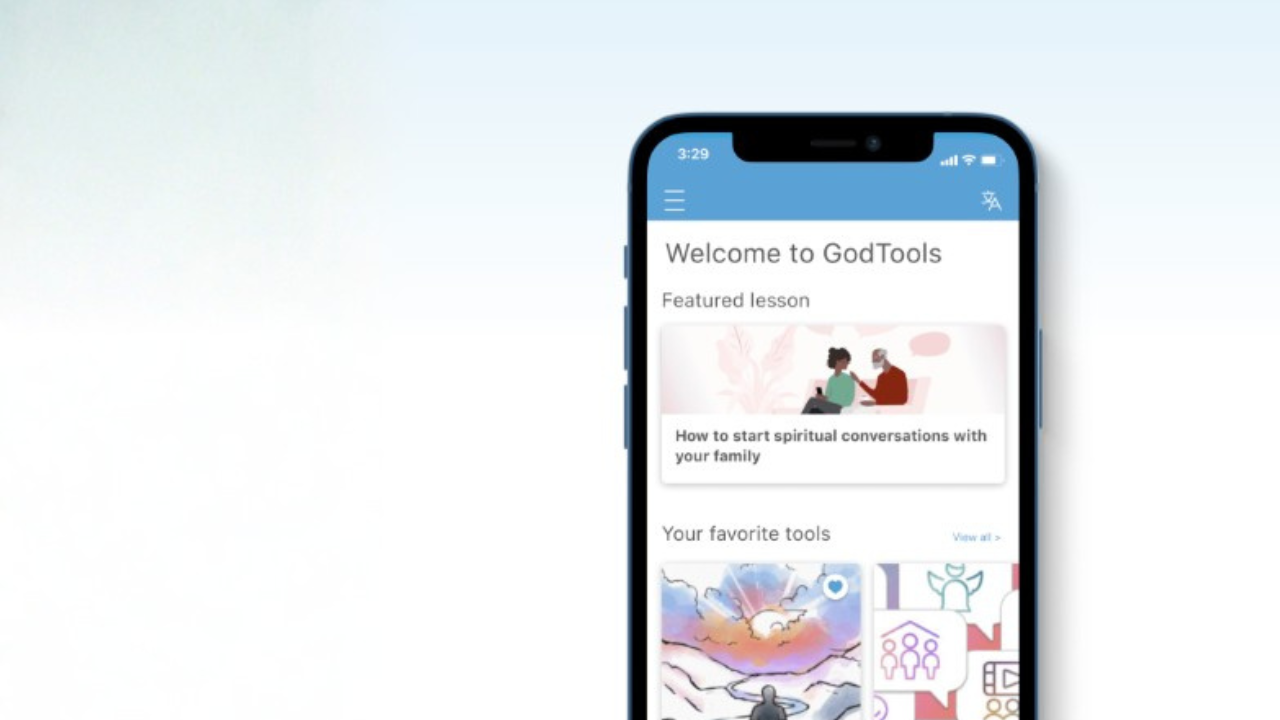
  • GodTools App: A free app with interactive ways to share your faith in different languages and styles.

“You don’t have to be perfect to start reaching your school.”

Following Up a New Believer

When someone accepts Christ, they need help knowing what to do next. Helping a new believer grow in their faith is one of the most rewarding things you can do.

Leading a Small Group

Small groups are a powerful way to build community and help students grow. If you can lead a good conversation, you can lead a small group.

  • Thrive Studies App: Includes dozens of studies on real-life topics and built-in leader training.

Campus Ministry Training

Reaching students on your campus is one of the most strategic ways to share your faith. Learning a few simple principles can help you start conversations, gather students, and take steps toward building a movement at your school.

  • Campus Training Videos – Short, practical videos to help you learn how to reach students on your high school campus. These eight trainings cover key topics like meeting students, starting conversations, sharing your faith, and taking simple steps to build a movement.

Other helpful tools


Next Step
Pick one tool and take a step this week to start a conversation or gather a few friends.
Ask a Coach – Tips from an Expert

Starting a ministry on your campus is an exciting step, but it can also raise a lot of questions. What should you do first? How do you find students who are interested? What if your group is small or things do not go the way you expected?

This is where a coach can help. A campus ministry coach is someone who has experience helping students and leaders start and grow ministries on high school campuses. They listen to what you are facing, help you think through wise next steps, and connect you with helpful tools and resources along the way.

Throughout the Reach Your School Playbook, you will see short insights from coaches who have spent years helping students reach their campuses. This page gathers more of those tips in one place so you can learn from their experience and keep moving forward.

Below are practical coaching tips from leaders who have walked this road before. As you read, look for what applies to your situation right now and take your next step. You can get your own coach by emailing us at coachingcenter@cru.org. We’d love to help.

Starting a ministry on your campus can feel overwhelming, but you do not have to figure it out alone.

Coaching Tips

  • Ask a few non-Christian friends how they would respond to your ideas, then process those same questions with Christian friends to sharpen your thinking.


  • Evangelism is the engine of your ministry, and helping students influence others is how you build future leaders.


  • You don’t have to figure this out alone, there are people with experience who would love to help you gather students and get the word out.


  • You have rights on campus, learn them, then live them out with confidence.


  • Many people are looking for something bigger than themselves, so give them a vision worth joining.


  • You may be walking past someone God is preparing, start a conversation and see what He does.


  • Pray Scripture, if God says it, you can pray it, and keep prayers short so more people can participate.


  • Invite a coach to join your team early, it will help you move faster and avoid common mistakes.


  • Use the tools available to you, there are helpful resources for sponsors, leaders, and teams if you ask.


  • When meeting with school leaders, bring others with you so it’s clear you’re building something together.


  • Be curious, kind, helpful, and bold, those four traits open doors.


  • Work with your school, not against it, staff can often help you more than you expect.


  • Teams help you reach more people, save time, and build momentum.


  • If your school allows non-curricular clubs, they must allow a Christian club too.


  • Use tools and visuals that help people remember and apply what they learn.


  • Create environments people actually want to be part of, whether on campus or off.


  • Use social media, simple graphics, and personal invites, everyone plays a role in getting the word out.


  • Have a clear process for identifying and developing student leaders.


  • Work within school expectations for roles, but organize your team in a way that actually helps you function.


  • Start outreach where you already have relationships, teams, clubs, and shared interests.


  • Use response cards or forms to follow up, gather feedback, and invite people into next steps.


  • If God is nudging you to take a step, go for it, but bring others with you.


  • Parents can be powerful allies, don’t be afraid to involve them.


  • Always have a next step ready so you can invite people while they’re still engaged.

Next Step

Do you have any questions for our coaches? If so, ask your question here, or request a coach for your ministry by emailing us at coachingcenter@cru.org!

Contact Us

Share This Post

More to Explore