
Tips for Leading a Better Small Group
Discussion/Reflection Questions
  1. What in this video stands out to you? 
  2. What did you learn from this video? 
  3. What action can you take this week as a result of watching this video?

Leading a small group can be exciting and challenging. Small groups can help students deepen their relationship with Christ, experience life change, and have an outward impact on their friends. But it is also challenging to depend on God each week as you lead discussions and work to create a great small group environment. Some students will transform into spiritual giants, others will let you down.

We want your small group experience to be the best it can be so we put together a few principles to help you lead a life-changing small group for your students.

Lead from a Personal Dependence on God

Your own walk with the Lord will be the foundation for your leadership with your small group. As you lead by example and involve your students in ministry, you are developing leaders for your movement. If you depend on your own abilities it will be seen by the students in your group. Likewise, they will see when you depend on God in everything you do.

Be imitators of me, as I am of Christ.”

– 1 Corinthians 11:1

Your Personal Study Preparation Is Essential

There are some amazing resources out there. Thrive Studies is one of them. Thrive Studies come with a leaders guide, complete with step-by-step instructions on how to begin each study, how to explore the verses, and how to apply the truth in practical ways. But amazing resources cannot overcome a lack of preparation.

Be sure to work through each lesson prior to leading your small group. Read and meditate on the referenced scripture passages. Imagine your students answering the questions. Are there some questions you should not ask? Are there some of your own you would like to add? Every group is different and only you know how to best lead your group. Your advanced preparation is one way you can show love to your students as your familiarity with the material will allow them to have a more meaningful group experience.

Remember, the lesson is not just for your students, it is also for you. Ask the Lord how it applies to your own relationship with Him. Often a leader will find the lesson is timely for them. No matter how much we know or experience with God, there is always room to grow. Look for what God might want to say to you through the study.

No matter how much we know or experience with God, there is always room to grow.

Lead Your Group by Creating a Learning Environment

While leading a small group may feel daunting, your role as a small group leader is more of a facilitator than a teacher. Students will not learn simply because you have taught them the truth. 


Learning Involves Active Engagement

 Studies show that we only retain 20% of what we hear in a presentation, but when we are actively involved in the process of learning, our retention skyrockets to 90%. For example, imagine yourself in a science class teaching students about mining for gold. You might give them an instruction booklet and perhaps show a picture or two. But what if you could take your students to an actual mine and let them experience digging for gold? Their five senses would come alive, and they would be able to see and touch the damp stones, hear the slow drip of water, smell the moisture and dust, and taste the mineral powder in the air. Once they discover gold for themselves, they would be motivated to keep digging for more.

Similarly, knowing ABOUT God is a far cry from being in a relationship with Him. You want students’ five senses to come to life as they dig into the character of God and into His Word to discover nuggets of truth for themselves about how to live the life God designed for them. Your time together will actually become a time of discovery. 


Learning Involves Asking Questions

Asking questions will engage your students and will help them evaluate and personalize where they are in their walk with God. At the beginning of your study each week, briefly highlight topics you have already covered. Then launch into your time with an activity or discussion question that gets them thinking about the central truth of your study, something that will relate to their world. Again, there are great suggestions in the Thrive Studies leaders guide for you. Each Thrive study comes with review questions to refresh their memories of past studies and activities or discussion questions to kick off the lesson.

Here are some helpful questions to ask your students:

  • What do you think is the main point of this story?
  • Are there any words you do not understand? 
  • What does this story teach us about God and His plan for us? 
  • What does this story teach us about ourselves? 


Learning Involves Discovering Where God Is Leading

Students regularly need to locate the “you are here” red dot in their personal walk with God. As they study scripture, you want them to discover where God is leading them. To assess where they are on God’s path and learn how to follow God’s leading, ask questions! Here are some examples of questions to help them process:

  • In light of these verses, where am I in my walk with God? 
  • How does this passage apply to my life right now? 
  • Is there anything standing in the way of me walking this path with God right now?

Create an Environment of Trust and Safety for Your Group

Students will be at different points in their relationship with God. You may have a student who has never seen a Bible and another student who has memorized parts of the Bible. You can still provide great encouragement and camaraderie along the way as you foster an environment of trust and safety.

Lead Each Person to Take Their Next Step With God

Help your students know the Christian life is lived one step at a time, one decision at a time. The next step is always the most important one. To help them apply what they have learned, you may want to close in prayer and have them ask God a few questions like the following:

  • What is my next step?
  • How does God want me to respond and apply these truths right now in my life, my relationships, my decisions? 

Depending on the group, you may want to ask if anyone would share what the next step might be for them and pray for one another in closing. 

Repeat the Process

Lead your small group to experience these things again and again and you will start to see students deepen their relationship with Christ. Leading students to these questions every time you meet, “Where am I, where is God leading me, how do I get there, what are obstacles in my path, and what is my next step?” As you lead your small group, create an environment to build a great internal process they can use in their personal times alone with God. God has much in store for each student and the ministry on your campus. Enjoy this great adventure and time of discovery together.

Next Step
Schedule time to prepare the next Bible study you are leading, intentionally setting a learning environment that will equip students to act on what they have learned.
Next Step
Who are some students you work with that might make good leaders? Make a list of 5 students and begin praying that God would show you opportunities to help them step into leadership.

RECENT POSTS

The Reach Your School Playbook
   

You want to make a difference at your school. You care about your friends. You see the need. You’ve probably even thought, “Someone should do something.”

What if that someone is you?

The Reach Your School Playbook was created to help students take that step, and to give adults a simple way to support them along the way.

Made for Students, Helpful for Adults

This Playbook is designed first for students. It helps you take ownership, lead your friends, and build something that actually reaches your school.

At the same time, if you’re an adult, youth leader, parent, or volunteer, this gives you a clear way to come alongside students without taking over.

  • Students lead
  • Adults support
  • Everyone moves forward together

Why Most People Don’t Start

A lot of students never take the first step. Not because they don’t care, but because they feel stuck.

  • “Where do I even begin?”
  • “What if no one shows up?”
  • “How do I get others involved?”

Uncertainty can keep people from moving. This Playbook breaks that barrier. It gives you a clear path so you can stop overthinking and start doing.

What This Helps You Do

This isn’t just ideas sitting on a page. It’s a practical guide you can actually use right now.

With the Playbook, you can:

  • Start something meaningful, even if you’re on your own
  • Gather a few friends and build momentum
  • Share your faith in natural, real ways
  • Lead with confidence, even if you’ve never led before
  • Build something that lasts beyond you

You don’t have to have it all figured out. You just need a place to start.

Students can
change their school,
they just need a path.

A Simple Path to Follow

The Playbook walks you through five clear steps. Each one is simple, practical, and designed to help you take action.

  • DREAM: Start with a vision for your school and what God could do there
  • PRAY: Learn how to pray for your campus in real, meaningful ways
  • GO: Take action, gather a team, and begin reaching people
  • GROW: Build a group that develops leaders and multiplies
  • SEND: Help others step out and reach their friends too

You don’t have to guess what to do next. It’s right there in front of you.

Built to Be Used, Not Just Read

This isn’t a long manual you’ll never finish. It’s short. It’s simple. It’s designed to move you forward.

  • Easy to read
  • Clear next steps
  • Real examples
  • Space to think and act

You can go through it on your own, or walk through it with a couple of friends. Adults can use it to guide conversations and help students take ownership.

You Don’t Have to Do This Alone

Starting something can feel intimidating. But you’re not on your own. The Playbook connects you to tools, coaching, and a bigger movement of people who are doing the same thing. Take one step, and you’ll find support along the way.

Start Today

You don’t need a perfect plan. You just need a first step.

Next Step

Download the Playbook with the button above and walk through the first section this week with a friend!

Campus Ministry Toolkit: Skills and Tools to Reach your School

As you learn to reach your school, there are some key ministry skills that will make a big difference. These are things every Christian student can grow in and you don’t have to be perfect to get started. We also have some great tools to help you take your next step. With a little courage and the right resources, you’ll be amazed how God can use you in your school.

Starting Spiritual Conversations

Bringing up spiritual topics can be hard, but it’s one of the most important steps in reaching your friends. If no one starts the conversation, most students will never talk about their faith.

  • Solarium: A deck of picture cards to help you start conversations about life and God.

Sharing Your Testimony

Your story matters. Sharing what God has done in your life can open hearts and help others realize that faith is personal and real.

Sharing Your Faith

The gospel is powerful and your friends need to hear it. Learning how to clearly explain the message of Jesus is a huge step in making your faith your own and helping others follow Him. 

  • How to Share the Gospel (article): a step-by-step guide to help you share the gospel with a friend.
  • Connecting with God Booklet: A short, simple booklet you can read through with a friend to explain how they can know Christ.
  • The Four Wristband: A wearable tool with four simple symbols to help you talk about God’s love and how to receive Christ.
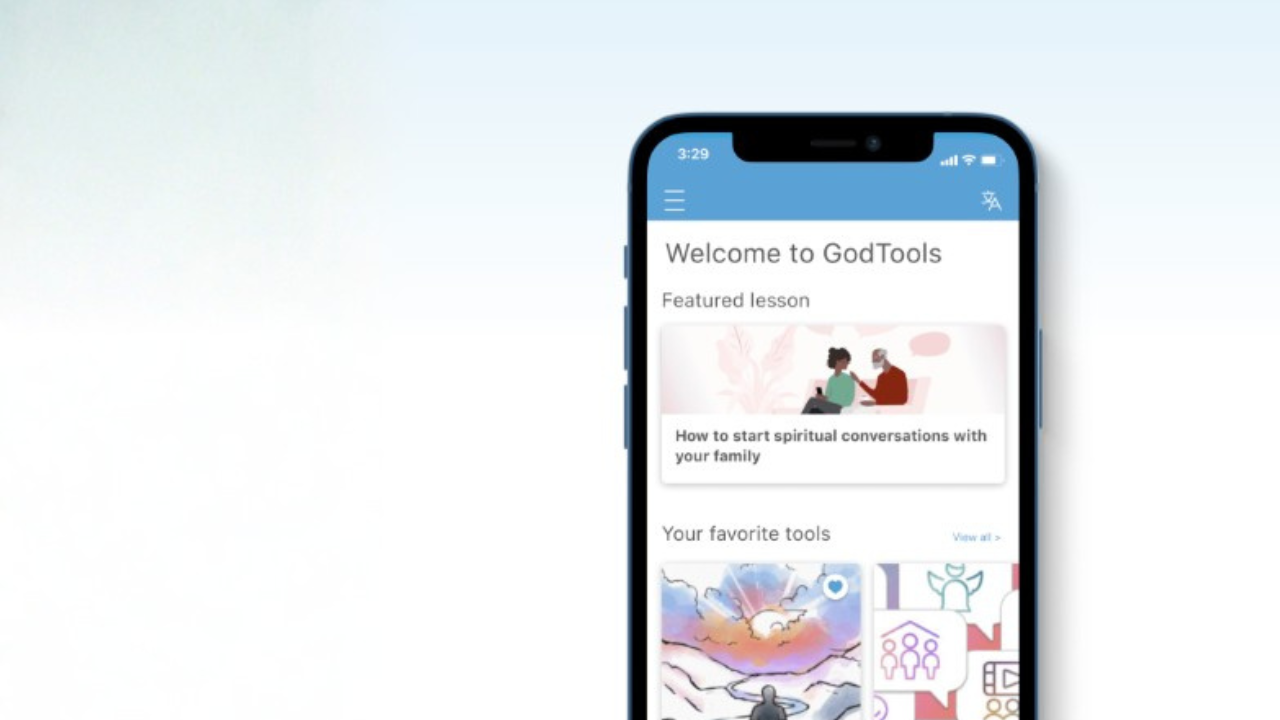
  • GodTools App: A free app with interactive ways to share your faith in different languages and styles.

“You don’t have to be perfect to start reaching your school.”

Following Up a New Believer

When someone accepts Christ, they need help knowing what to do next. Helping a new believer grow in their faith is one of the most rewarding things you can do.

Leading a Small Group

Small groups are a powerful way to build community and help students grow. If you can lead a good conversation, you can lead a small group.

  • Thrive Studies App: Includes dozens of studies on real-life topics and built-in leader training.

Campus Ministry Training

Reaching students on your campus is one of the most strategic ways to share your faith. Learning a few simple principles can help you start conversations, gather students, and take steps toward building a movement at your school.

  • Campus Training Videos – Short, practical videos to help you learn how to reach students on your high school campus. These eight trainings cover key topics like meeting students, starting conversations, sharing your faith, and taking simple steps to build a movement.

Other helpful tools


Next Step
Pick one tool and take a step this week to start a conversation or gather a few friends.
Ask a Coach – Tips from an Expert

Starting a ministry on your campus is an exciting step, but it can also raise a lot of questions. What should you do first? How do you find students who are interested? What if your group is small or things do not go the way you expected?

This is where a coach can help. A campus ministry coach is someone who has experience helping students and leaders start and grow ministries on high school campuses. They listen to what you are facing, help you think through wise next steps, and connect you with helpful tools and resources along the way.

Throughout the Reach Your School Playbook, you will see short insights from coaches who have spent years helping students reach their campuses. This page gathers more of those tips in one place so you can learn from their experience and keep moving forward.

Below are practical coaching tips from leaders who have walked this road before. As you read, look for what applies to your situation right now and take your next step. You can get your own coach by emailing us at coachingcenter@cru.org. We’d love to help.

Starting a ministry on your campus can feel overwhelming, but you do not have to figure it out alone.

Coaching Tips

  • Ask a few non-Christian friends how they would respond to your ideas, then process those same questions with Christian friends to sharpen your thinking.


  • Evangelism is the engine of your ministry, and helping students influence others is how you build future leaders.


  • You don’t have to figure this out alone, there are people with experience who would love to help you gather students and get the word out.


  • You have rights on campus, learn them, then live them out with confidence.


  • Many people are looking for something bigger than themselves, so give them a vision worth joining.


  • You may be walking past someone God is preparing, start a conversation and see what He does.


  • Pray Scripture, if God says it, you can pray it, and keep prayers short so more people can participate.


  • Invite a coach to join your team early, it will help you move faster and avoid common mistakes.


  • Use the tools available to you, there are helpful resources for sponsors, leaders, and teams if you ask.


  • When meeting with school leaders, bring others with you so it’s clear you’re building something together.


  • Be curious, kind, helpful, and bold, those four traits open doors.


  • Work with your school, not against it, staff can often help you more than you expect.


  • Teams help you reach more people, save time, and build momentum.


  • If your school allows non-curricular clubs, they must allow a Christian club too.


  • Use tools and visuals that help people remember and apply what they learn.


  • Create environments people actually want to be part of, whether on campus or off.


  • Use social media, simple graphics, and personal invites, everyone plays a role in getting the word out.


  • Have a clear process for identifying and developing student leaders.


  • Work within school expectations for roles, but organize your team in a way that actually helps you function.


  • Start outreach where you already have relationships, teams, clubs, and shared interests.


  • Use response cards or forms to follow up, gather feedback, and invite people into next steps.


  • If God is nudging you to take a step, go for it, but bring others with you.


  • Parents can be powerful allies, don’t be afraid to involve them.


  • Always have a next step ready so you can invite people while they’re still engaged.

Next Step

Do you have any questions for our coaches? If so, ask your question here, or request a coach for your ministry by emailing us at coachingcenter@cru.org!

Contact Us

Share This Post

More to Explore