
Involving Students in Evangelism
Discussion/Reflection Questions
  1. What in this video stands out to you? 
  2. What did you learn from this video? 
  3. What action can you take this week as a result of watching this video?

Danny has been volunteering at his local high school campus mentoring students and launching a Cru movement. One of his student leaders, Peter, is excited about Jesus and is quickly growing in his faith. He wants to talk to his non-Christian friends about Jesus, but he doesn’t know where to start.

Help Your Student Know the "Why"

We share our faith because the Lord’s desire is for all to come to know Him. 2 Peter 3:9 says, “The Lord is not slow about His promise as some count slowness, but is patient toward you, not wishing that any should perish, but for all to come to repentance.” God loves the world so much that He gave His only Son to die in our place. Jesus felt compassion for people because they were like sheep without a shepherd. When we see the world through Jesus’s eyes and feel God’s heart for people, we become more bold in sharing His love with others.

Help Your Student Prepare

Spirit led evangelism focuses on three elements centered on knowing God’s heart for those who don’t know Christ. 


1) Have a personal walk with Christ.

Motivation for evangelism is built on an ever growing relationship with Jesus and His overflowing love. Without spending daily time in prayer, reading scripture, and experiencing Jesus’s personal love in our lives, Spirit led evangelism is much harder to do. An important part of walking with Jesus is listening to His voice and following His plan for our lives. Jesus told His disciples, “Go into all the world and preach the gospel to all creation” (Mark 16:15). Paul also encouraged Christ’s followers, “But you, be sober in all things. Endure hardship, do the work of an evangelist. Fulfill your ministry” (2 Timothy 4:5). If we only follow these commands, without knowing God’s heart for people or experiencing an ever growing relationship with Christ, we miss out on the joy of evangelism.


2) Rely on the power of the Holy Spirit.

Our Christian life is fueled by the power of the Holy Spirit. Ephesians 5:18 encourages us to be continually filled with the Spirit, asking Him to guide us in all areas and aspects of our lives. We don’t want to rely too much on our own abilities. Successful evangelism is sharing Christ in the power of the Holy Spirit and leaving the results to God.


3) Prepare to share Christ with others.

Remember that when we share the Gospel, we are not just telling someone about Jesus, we are entering into a dialogue. As we rely on the Holy Spirit to guide us, we ask questions and listen intently to their answers. Conversations may vary, but we always want to keep the focus on Jesus and building a relationship.

"Sharing our faith is not about whether a student comes to Christ in that single interaction. It's about building meaningful relationships in the process."

Help Your Student Take Action


1) Make a list.

You can start by having your interested student make a list of 5-10 people with whom they would like to share Christ. Pray through each name together, asking God to prepare their hearts to hear the gospel and for God to provide an opportunity to share with them.


2) Practice using tools.

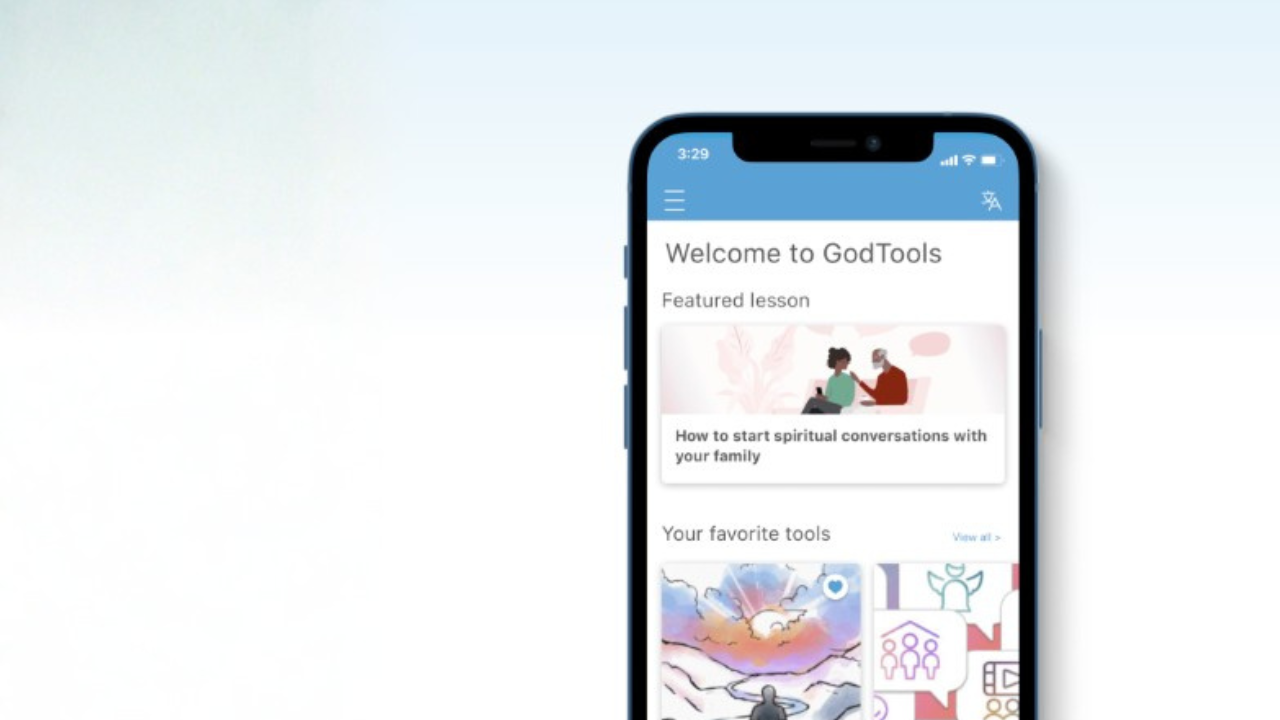
Help your students become familiar with the tools they can use to share their faith. For example, a booklet that presents the gospel or the God Tools App would be appropriate to share.


3) Prepare their testimony.

You can also help them prepare by having them write out the story of how Jesus has changed their lives. Make sure they are clear about how they entered into a relationship with Jesus when they share with you. Then have them practice sharing it with other students in the Cru movement. This will help them gain experience and become more comfortable.


4) Set up a meeting.

Once they are ready to share, help your students set up a meeting or a follow up appointment with those with whom they want to have spiritual conversations.


5) Take them with you.

A great way to help them see how an appointment should go is to take them with you. As they see you interact with people, how you listen after asking questions, and how you speak about Jesus, their confidence will grow! They will see through you that sharing our faith is not about whether a student comes to Christ in that single interaction. It’s about building meaningful relationships in the process.


Through this process, Danny sees Peter commit to know God’s heart for those who don’t know Him, grow in his relationship with Christ, rely on the power of the Holy Spirit, and take the steps to prepare to share Christ with others, becoming more bold in sharing Jesus on the campus.

Who is your Peter? As you step out onto the high school campus, we can only begin to imagine what great spiritual conversations will take place.

Next Step
Who could you teach to share their faith? Make your top 5 list of people and set up a time with one of them today. The best way to learn how to do something is to just do it!
Next Step
Who are some students you work with that might make good leaders? Make a list of 5 students and begin praying that God would show you opportunities to help them step into leadership.

RECENT POSTS

How to Start a Christian Club at Your School

Starting a Christian club at school is one of the best ways to help students meet Jesus and grow in their faith. It creates a space to talk about God, build friendships, and invite others into something meaningful. And if your school allows other clubs, it can allow a Christian club too. The goal is not just to start a meeting. It’s to help reach your school.

Know That It’s Legal

If your school allows student clubs, it must also allow religious clubs. That means you can meet, read the Bible, pray, and invite others. Most schools will require student leadership, a teacher sponsor, and meeting during lunch, before, or after school. Lead with respect and humility. You’re there to serve your school well.

Get a Coach

Don’t do this alone. A coach can help you take your next steps, pray with you, and stay focused. This could be a youth pastor, parent, or a Cru coach. You don’t need all the answers. You just need someone in your corner.

Find a Teacher Sponsor

Most schools require a teacher sponsor. They help you get approved and stay connected to the school. Look for a person of faith who is supportive, reliable, and respected.

“You don’t need all the answers. You just need someone in your corner.”

Gather a Core Team

Start with a few friends who care about their school and want to make a difference. You don’t need a big group, just a few students who are willing to take a step of faith. Pray together and dream about what God could do.

Make it a Movement, not just a Club

Don’t just build a club for Christians. Build something that helps students reach their friends.


A movement is outward focused. It helps students grow in their faith and share it with others. Keep asking, “Who are we trying to reach?”

Choose a Time and Place

Pick a consistent time and place that works, lunch, before school, or after school. Keep it simple and easy to attend. Consistency makes it easier to invite others.

Start Reaching Out

Begin praying for friends and inviting them. A healthy group is always open and welcoming, especially to students who don’t know Jesus yet. Most growth will come through personal invitations.

Start Meeting

Set a date and begin. Keep your first meetings simple, a Bible study, discussion, or time to connect. You don’t need something big. You just need to start.

Starting a Christian club is about helping students know Jesus, grow in their faith, and reach others. Start small, stay focused, and trust God to work through you. What begins with a few students can grow into something much bigger.

If you want help taking your next steps, check out the Reach Your School Playbook. It’s a simple, step by step guide you can use with your friends to start and grow a movement on your campus. Use the button below to download it now.

Helpful Documents

  • Constitution DocumentA simple document that outlines how your club operates, including its purpose, leadership structure, and basic guidelines, sometimes requested by schools but often optional.
  • Charter DocumentA document that connects your club to Cru, clarifying its mission, beliefs, and expectations for leadership, typically optional but helpful if your school or leadership team wants added clarity.

Next Step

Download the Reach Your School Playbook and take your first step toward starting a Christian club on your campus.

Reach Your School Playbook
The Reach Your School Playbook
   

You want to make a difference at your school. You care about your friends. You see the need. You’ve probably even thought, “Someone should do something.”

What if that someone is you?

The Reach Your School Playbook was created to help students take that step, and to give adults a simple way to support them along the way.

Made for Students, Helpful for Adults

This Playbook is designed first for students. It helps you take ownership, lead your friends, and build something that actually reaches your school.

At the same time, if you’re an adult, youth leader, parent, or volunteer, this gives you a clear way to come alongside students without taking over.

  • Students lead
  • Adults support
  • Everyone moves forward together

Why Most People Don’t Start

A lot of students never take the first step. Not because they don’t care, but because they feel stuck.

  • “Where do I even begin?”
  • “What if no one shows up?”
  • “How do I get others involved?”

Uncertainty can keep people from moving. This Playbook breaks that barrier. It gives you a clear path so you can stop overthinking and start doing.

What This Helps You Do

This isn’t just ideas sitting on a page. It’s a practical guide you can actually use right now.

With the Playbook, you can:

  • Start something meaningful, even if you’re on your own
  • Gather a few friends and build momentum
  • Share your faith in natural, real ways
  • Lead with confidence, even if you’ve never led before
  • Build something that lasts beyond you

You don’t have to have it all figured out. You just need a place to start.

Students can
change their school,
they just need a path.

A Simple Path to Follow

The Playbook walks you through five clear steps. Each one is simple, practical, and designed to help you take action.

  • DREAM: Start with a vision for your school and what God could do there
  • PRAY: Learn how to pray for your campus in real, meaningful ways
  • GO: Take action, gather a team, and begin reaching people
  • GROW: Build a group that develops leaders and multiplies
  • SEND: Help others step out and reach their friends too

You don’t have to guess what to do next. It’s right there in front of you.

Built to Be Used, Not Just Read

This isn’t a long manual you’ll never finish. It’s short. It’s simple. It’s designed to move you forward.

  • Easy to read
  • Clear next steps
  • Real examples
  • Space to think and act

You can go through it on your own, or walk through it with a couple of friends. Adults can use it to guide conversations and help students take ownership.

You Don’t Have to Do This Alone

Starting something can feel intimidating. But you’re not on your own. The Playbook connects you to tools, coaching, and a bigger movement of people who are doing the same thing. Take one step, and you’ll find support along the way.

Start Today

You don’t need a perfect plan. You just need a first step.

Next Step

Download the Playbook with the button above and walk through the first section this week with a friend!

Campus Ministry Toolkit: Skills and Tools to Reach your School

As you learn to reach your school, there are some key ministry skills that will make a big difference. These are things every Christian student can grow in and you don’t have to be perfect to get started. We also have some great tools to help you take your next step. With a little courage and the right resources, you’ll be amazed how God can use you in your school.

Starting Spiritual Conversations

Bringing up spiritual topics can be hard, but it’s one of the most important steps in reaching your friends. If no one starts the conversation, most students will never talk about their faith.

  • Solarium: A deck of picture cards to help you start conversations about life and God.

Sharing Your Testimony

Your story matters. Sharing what God has done in your life can open hearts and help others realize that faith is personal and real.

Sharing Your Faith

The gospel is powerful and your friends need to hear it. Learning how to clearly explain the message of Jesus is a huge step in making your faith your own and helping others follow Him. 

  • How to Share the Gospel (article): a step-by-step guide to help you share the gospel with a friend.
  • Connecting with God Booklet: A short, simple booklet you can read through with a friend to explain how they can know Christ.
  • The Four Wristband: A wearable tool with four simple symbols to help you talk about God’s love and how to receive Christ.
  • GodTools App: A free app with interactive ways to share your faith in different languages and styles.

“You don’t have to be perfect to start reaching your school.”

Following Up a New Believer

When someone accepts Christ, they need help knowing what to do next. Helping a new believer grow in their faith is one of the most rewarding things you can do.

Leading a Small Group

Small groups are a powerful way to build community and help students grow. If you can lead a good conversation, you can lead a small group.

  • Thrive Studies App: Includes dozens of studies on real-life topics and built-in leader training.

Campus Ministry Training

Reaching students on your campus is one of the most strategic ways to share your faith. Learning a few simple principles can help you start conversations, gather students, and take steps toward building a movement at your school.

  • Campus Training Videos – Short, practical videos to help you learn how to reach students on your high school campus. These eight trainings cover key topics like meeting students, starting conversations, sharing your faith, and taking simple steps to build a movement.

Other helpful tools


Next Step
Pick one tool and take a step this week to start a conversation or gather a few friends.

Share This Post

More to Explore