
Triangle Diagram Tool
Discussion/Reflection Questions
  1. What in this video stands out to you? 
  2. What did you learn from this video? 
  3. What action can you take this week as a result of watching this video?

Imagine you are at your favorite coffee shop with a student who has attended your meetings and has some questions about spiritual things. So far you two have just been hanging out and talking. Now it is time to bring them around to the purpose of your visit, but how are you going to do that?

Turn the Conversation Spiritual

Moving from banter into a gospel conversation takes a little practice and can often feel unnatural. How do you turn chit chat into an opportunity to share your faith?

First, let’s remember four principles shaping this transition:

  1. The point of this meeting is to bring up spiritual things. It can be as natural as asking who won the game last night. There is no need to feel awkward or apologetic for changing the subject.
  2. Pray. Ask God for His favor and for responsive hearts.
  3. Bring along an involved student to model how it is done so they can do it later with their friends.
  4. Practice your transitions. Practicing will help them become more natural.

Pray. Ask God for His favor and for responsive hearts.

The Triangle Diagram

The triangle diagram is really effective in helping transition from normal day-to-day conversations into spiritual conversations. All you need is a napkin or a piece of paper.

Start out by drawing a triangle. You can say something like this, “Most people are looking for fulfillment in their lives, and to find it, a balance needs to be established in three major areas.” You can even ask them what they think those three areas are.

Along one side of the triangle, write out mental and ask them, “How does the school help you mentally?” They might say something like teachers, classes, homework, and other things like that.

On the next side write physical, then involve them by asking how their school helps them physically. They will probably talk about their coaches, PE classes, sports, and other activities.

Now on the base of the triangle, write, spiritual. Then ask the student, “How about spiritually? Does the school help you there?” Most students will admit that the school is not a place for spiritual growth. That is a great opportunity to talk about Cru.

Get to the Gospel

Say, “This is where Cru comes in! Our meetings and other events are designed to help students on their spiritual journey.” As you are talking about the purpose of Cru, ask a lot of questions. Some good questions to ask are the following:

  • “What do you think it means to be spiritually fulfilled?”
  • “Where do you go for spiritual fulfillment?”
  • “If you don’t mind, can I share about where I get spiritually fulfilled, and what that means to me?”

After asking questions, you can share that someone is spiritually fulfilled when they have a relationship with God and know Jesus Christ died for their sins. Then ask them if anyone has ever explained how they can know God personally and if they would be interested in learning more. If they are, share the gospel with them!

Don’t Worry if you Don’t Get to the Gospel

Sometimes as you share and lean on the Holy Spirit for guidance, you might discern that you need more time to build a relationship with a student before sharing the gospel.

In that case, after they talk about spiritual fulfillment, wrap up the conversation. Then set up the next time to meet with them. You can ask if you can talk about where you go for your spiritual fulfillment and what it means for you to be spiritually fulfilled the next time you meet.

We like to say in Cru that we take the first opportunity to share the gospel and tools like the triangle diagram help bring Christ into focus. This is just a part of the most important conversation that we will ever have!

Next Step
Share this diagram with a student or friend today. You just might get to introduce them to Jesus!
Next Step
Who are some students you work with that might make good leaders? Make a list of 5 students and begin praying that God would show you opportunities to help them step into leadership.

RECENT POSTS

How Do I Start a Cru Movement at My School?

If you’ve got a vision to reach your school for Christ, you’re asking exactly the right question. Whoever you are, a student, teacher, youth pastor, college student, or concerned adult, here’s how to get started. There are two ways to go about it.

1. Do Your Own Thing

If you’d like to gather some friends, share your faith, and build something without any formal ties, just start with the playbook. The Reach Your School Playbook gives you everything you need to get started today.

2. Call Yourself Cru

If you’d like to use the Cru name and logos, and be part of a wider movement beyond just your campus, here’s what that looks like:


Doing Your
Own Thing

Being Called
Cru

Use the Cru name and logosNoYes
Need a coach to get startedNoYes
Part of the wider Cru movementNoYes
Get ongoing support from Cru staffNoYes
Can start today, no waitingYesStill fast — just a call first

"Whichever path you choose, you don’t have to figure it out alone."

How to Get Started

If you want to call yourself Cru, the way to get started is to connect with a coach, that’s how you register your movement. This is separate from anything your own school requires; if your campus has its own club registration process, you’ll still want to check with your school on that too.

A coach is a Cru staff member whose job is to walk alongside you as you get started. Here’s what working with a coach actually looks like from there:

  • It’s free. No cost involved, no catch.
  • No pressure. You reach out, someone gets back to you with information and answers your questions, and there’s no commitment required just to ask.
  • Go at your own pace. You and your coach agree on a rhythm together, whether that’s weekly, every other week, or monthly, usually in calls of about 20 to 30 minutes.
  • The calls are practical. Your coach checks in on how things are going, helps you work through whatever challenges you’re facing, brainstorms ideas with you, and prays for you.
  • Real experience backs it up. Coaches have spent years working directly with students, teachers, and other volunteers on campuses like yours.
  • You get resources. Training and tools to help you lead with confidence, even if this is your first time.
  • It fits around your life. Coaches build their availability around your schedule.

Through it all, you’re helping students hear about Jesus, grow in their faith, and go on to reach others too. And whether you’re the student or the adult in this story, you stay the one leading it. Your coach walks alongside you; the coach doesn’t take it over.

Check Out the Playbook

Whichever path you choose, the Reach Your School Playbook is worth having in hand. It walks you through four simple steps — DREAM, PRAY, GO, GROW — for building something that reaches your school.

Download the Reach Your School Playbook

Whichever path you choose, don’t wait until everything feels figured out. Gather a few friends, open the Playbook, or send that first email to a coach. The important thing is that you start. Somewhere out there, a student at your school is waiting for someone to notice them, and that someone could be you.

Next Step
Ready to call yourself Cru? Reach out to the Coaching Center today: Email coachingcenter@cru.org and say, “I’d like to have a coach please!” Or call 1-877-GO-CAMPUS
Campus Ministry Toolkit: Skills and Tools to Reach your School

As you learn to reach your school, there are some key ministry skills that will make a big difference. These are things every Christian student can grow in and you don’t have to be perfect to get started. We also have some great tools to help you take your next step. With a little courage and the right resources, you’ll be amazed how God can use you in your school.

Starting Spiritual Conversations

Bringing up spiritual topics can be hard, but it’s one of the most important steps in reaching your friends. If no one starts the conversation, most students will never talk about their faith.

Sharing Your Testimony

Your story matters. Sharing what God has done in your life can open hearts and help others realize that faith is personal and real.

Sharing Your Faith

The gospel is powerful and your friends need to hear it. Learning how to clearly explain the message of Jesus is a huge step in making your faith your own and helping others follow Him. 

  • How to Share the Gospel (article): a step-by-step guide to help you share the gospel with a friend.
  • Connecting with God Booklet: A short, simple booklet you can read through with a friend to explain how they can know Christ.
  • The Four Wristband: A wearable tool with four simple symbols to help you talk about God’s love and how to receive Christ.
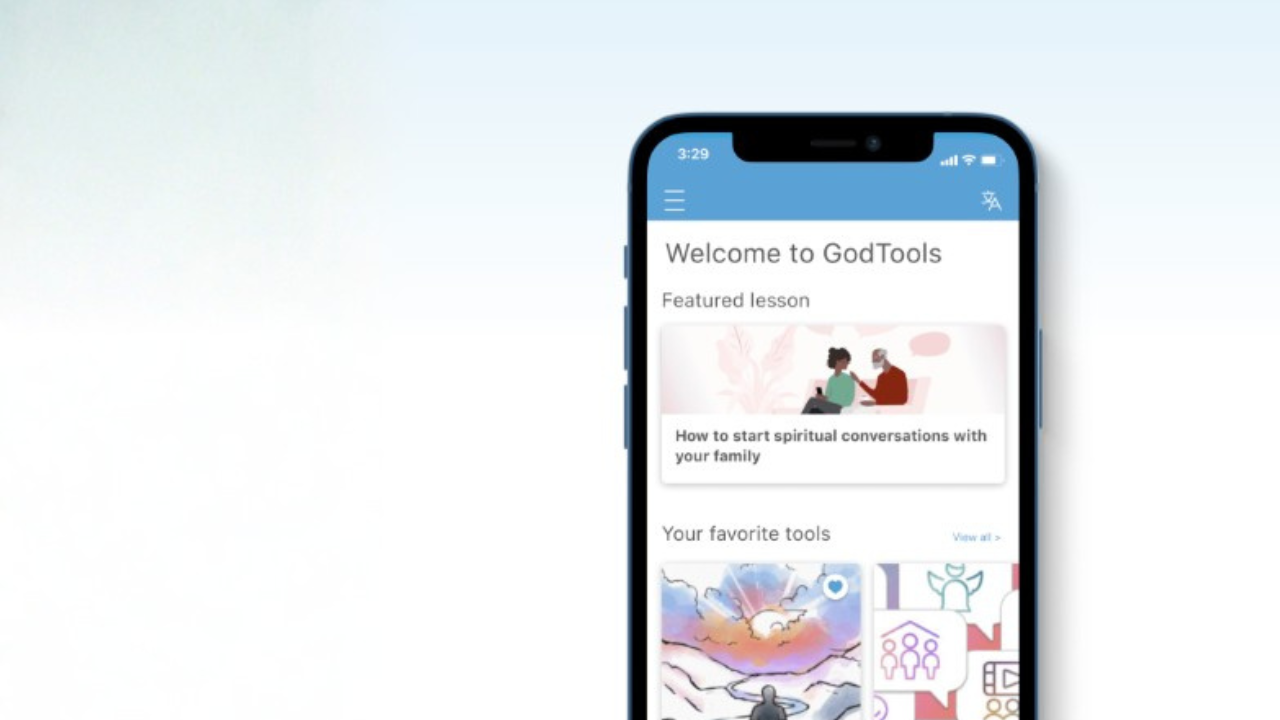
  • GodTools App: A free app with interactive ways to share your faith in different languages and styles.

“Your story could be the reason someone takes a step toward Jesus.”

Following Up a New Believer

When someone accepts Christ, they need help knowing what to do next. Helping a new believer grow in their faith is one of the most rewarding things you can do.

Leading a Small Group

Small groups are a powerful way to build community and help students grow. If you can lead a good conversation, you can lead a small group.

  • Thrive Studies App: Includes dozens of studies on real-life topics and built-in leader training.

Campus Ministry Training

Reaching students on your campus is one of the most strategic ways to share your faith. Learning a few simple principles can help you start conversations, gather students, and take steps toward building a movement at your school.

  • Campus Training Videos Short, practical videos to help you learn how to reach students on your high school campus. These eight trainings cover key topics like meeting students, starting conversations, sharing your faith, and taking simple steps to build a movement.

Other Helpful Tools

Some Great Websites You Don't Want To Miss

Next Step
Pick one tool and take a step this week to start a conversation or gather a few friends.
The Reach Your School Playbook

You can reach your school. We can help.

You’ve probably looked around your campus and thought, someone should do something. What if that someone is you?

The Reach Your School Playbook is a simple, practical guide that helps you make the first move. It’s short, clear, and built to move you forward, not a long manual you’ll never finish. Whether you’re a student ready to lead or an adult wanting to come alongside one, this is your starting point.

Screenshot 2026-07-27 at 4.41.07 PM

You can actually do this

Most people never start, not because they don’t care, but because they feel stuck. Where do I even begin? What if no one shows up?

The Playbook clears that away. It gives you a path so you can stop overthinking and start doing. You don’t need a perfect plan or all the answers. You don’t have to be the popular kid or have it all together. You just need a first step, and a little courage.

And the friends you’re thinking about right now matter. You might be the one who helps them find Jesus.

Start where you are. Use what you have. Take the first step.

A simple path to follow

The Playbook walks you through four clear steps, each one designed to help you take action:

  • Dream — Start with a vision for your school and what God could do there.
  • Pray — Learn to pray for your campus in real, meaningful ways.
  • Go — Take action, gather a team, and begin reaching people.
  • Grow — Build a group that develops leaders and multiplies.

It might start with a single conversation at lunch, or a few friends praying before class. You don’t have to guess what comes next. It’s right there in front of you.

Made for students, helpful for adults

The Playbook is written first for students, because we believe teenagers can lead and make a real impact at their school. But if you’re a parent, teacher, youth leader, or volunteer, you’re not on the sidelines. There’s a whole section just for you, whether you’re supporting a student who’s leading or stepping out to start something yourself.

Students lead. Adults support. Everyone moves forward together.

"Students lead. Adults support. Everyone moves forward together."

You’re not on your own

Starting something can feel intimidating. But you don’t have to figure it out alone. The Playbook connects you to tools, coaching, and a bigger movement of people doing the same thing. Take one step, and you’ll find support along the way.

Screenshot 2026-07-27 at 4.43.21 PM

Get the Playbook

So don’t wait until it all makes sense. Grab a copy below — get one for yourself, and consider extra copies for your key leaders.

Next Step
Download the Playbook, then invite a few friends to walk through the first section with you this week.

Share This Post

More to Explore