Using your testimony to bridge the gospel
Discussion/Reflection Questions
  1. What in this video stands out to you? 
  2. What did you learn from this video? 
  3. What action can you take this week as a result of watching this video?

There are many ways to share the good news of Jesus. He offers us new, vibrant, eternal life freely by grace. Throughout the Bible, we see Jesus and His followers use different methods to share the same message, depending on the audience to which they were sharing.

If you know high school students, you know they love stories. Your faith story can be the bridge people need to move from spiritual confusion to clarity. Your story is not a trophy to show off to other Christians, but a bridge to bring hard-to-understand spiritual concepts down to earth. Here are three steps to use your story to point to the greatest story of all time.

1
Nail Your Transition

You are already in relationships with students who need to hear the good news, and you know they would be able to relate to your story. But how do you pivot from bantering about last weekend’s game to the purpose of your relationship with them? The answer is a solid transition. Here is an example:

“As many of you know, I work with Cru, a youth ministry that helps students understand a relationship with God. Before I joined Cru, I had an encounter with God that changed my life. I would love to share some of that story with you. Would you like to hear it?”

Use words that are natural to you to find a way to move the conversation to deeper things. Since the students know that you are with Cru, and you may have already had spiritual conversations with them, use that credibility to offer them a chance to hear how God has personally worked in your life.

Consider thinking through some transitions you could use in your everyday life and commit them to memory. You never know when an opportunity will present itself.

And if someone asks about your hope as a believer, always be ready to explain it. 1 Peter 3:15

Your faith story can be the bridge people need to move from spiritual confusion to clarity.

2
Share the Gospel Using a Specific Story

Once your students’ ears are perked up and ready to hear your story, it is time to nail your 3-Minute Testimony. We know it is very hard to share your life story in three minutes; that is why you prepare your testimony beforehand and focus on one specific moment in your life, not the whole story. The goal is to use this specific story as a vehicle in order to give students a framework for how the gospel could impact someone personally. There will be more time to share the rest later.

You want to hit four points of the gospel within your story- creation, fall, reconciliation, and response. What was life like before Jesus, how you received/met Jesus, and what changes happened after you knew Jesus? For example, you could say the following:

“When I was in high school, I heard about God’s great love for me (point 1), but I did not know God personally until I was forced to really trust Him (point 4) when I was 20 years old. Before I met Jesus, I strove to make a name for myself and was wracked with insecurity if I ever made a mistake. When I dropped a pass in football or got rejected by a girl, it felt like the end of the world. I had no idea how important it was that Jesus died for my failures and sins until one of those failures nearly took my life (point 2). When He saved me physically, I realized that I could trust Him spiritually (point 3). Since meeting Him, I have no fear of failure, since my hope is not in my own abilities–it is in Jesus’ great love for me (point 4).” 

Make sure to include personal highlights and details. It is better to be specific and narrow in scope than to make broad generalizations about your whole life with no depth or detail.

If you are thinking “my testimony is boring! I have no dramatic coming-to-Jesus moment in my story,” read the “What if I Don’t Have a Story” section of this article. Every follower of Jesus has a time in their life that God has shown up. Point to how your life was changed through this encounter with the living God. Your story is worth sharing because Jesus is the center of it!

3
Transition to a Clear Next Step

After you have shared your story, lead the students to a clear next step. Answer whatever questions they have, then it is time for another great transition:

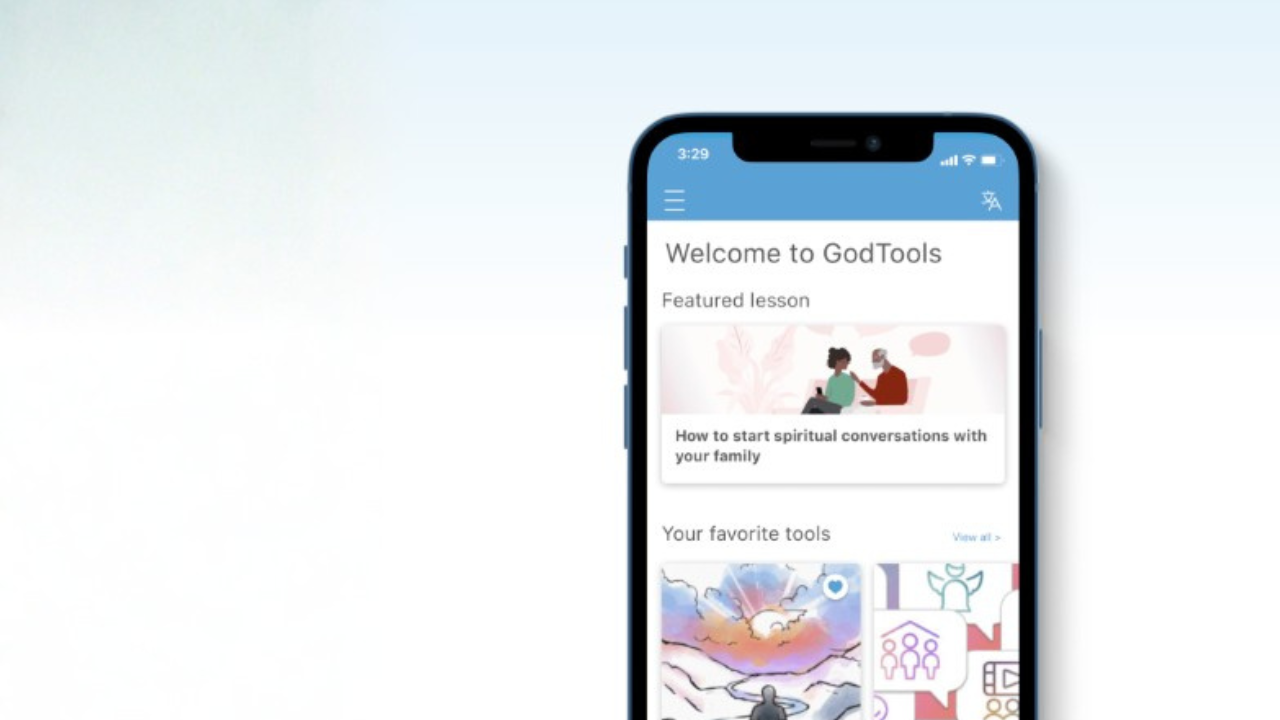
“Guys, I would like to wrap up our time by giving you an opportunity to begin a relationship with God. Pull out your phone, and download the app called GodTools, and I will show you how to begin a relationship with Jesus!”

If you would rather use a different tool, that is completely fine! The key is to invite the students to the point of decision.

Your story may have given them a desire to invite Jesus into their lives to be their Lord and Savior! But if that is not the case, you can invite them to an event or ask them to meet again to read a story from the Bible of a changed life, such as Saul’s journey to becoming Paul.

Motivation for the Journey

High school students love stories and your story can be the bridge to bring students to the foot of the cross.

2 Corinthians 2:15-17 says “For we are the aroma of Christ to God among those who are being saved and among those who are perishing, to one a fragrance from death to death, to the other a fragrance from life to life. Who is sufficient for these things? For we are not, like so many, peddlers of God’s word, but as men of sincerity, as commissioned by God, in the sight of God we speak in Christ.”

Your life lived in the sight of your students and of God can be what students need to meet Jesus. Take a leap of faith, and set up a time to share your story with students who need to hear it!

Next Step

Prepare your testimony and share it with 2 people. You can find detailed instructions to do this in How Judy Shares Her Faith.

Learn More

Next Step
Who are some students you work with that might make good leaders? Make a list of 5 students and begin praying that God would show you opportunities to help them step into leadership.

RECENT POSTS

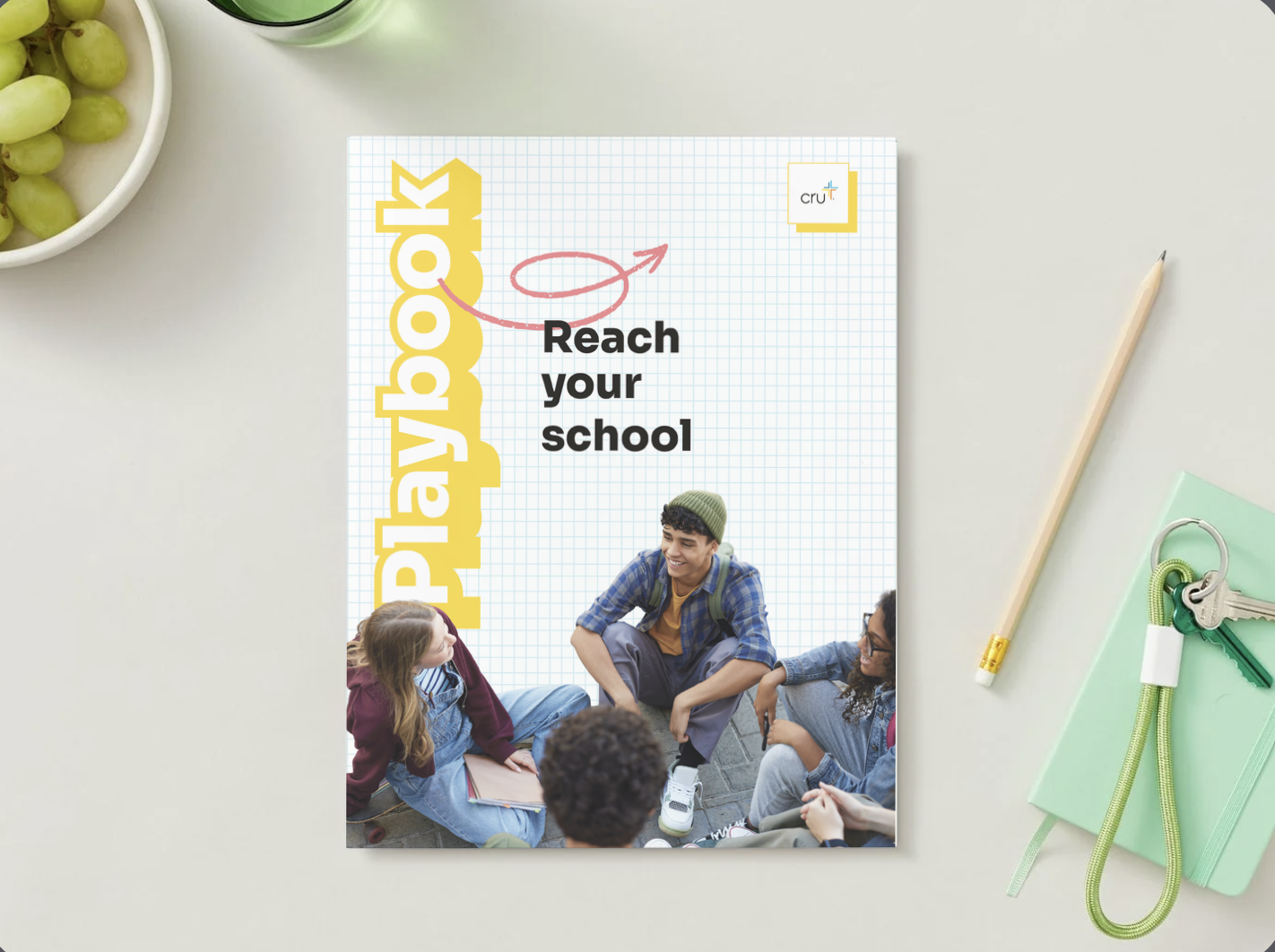
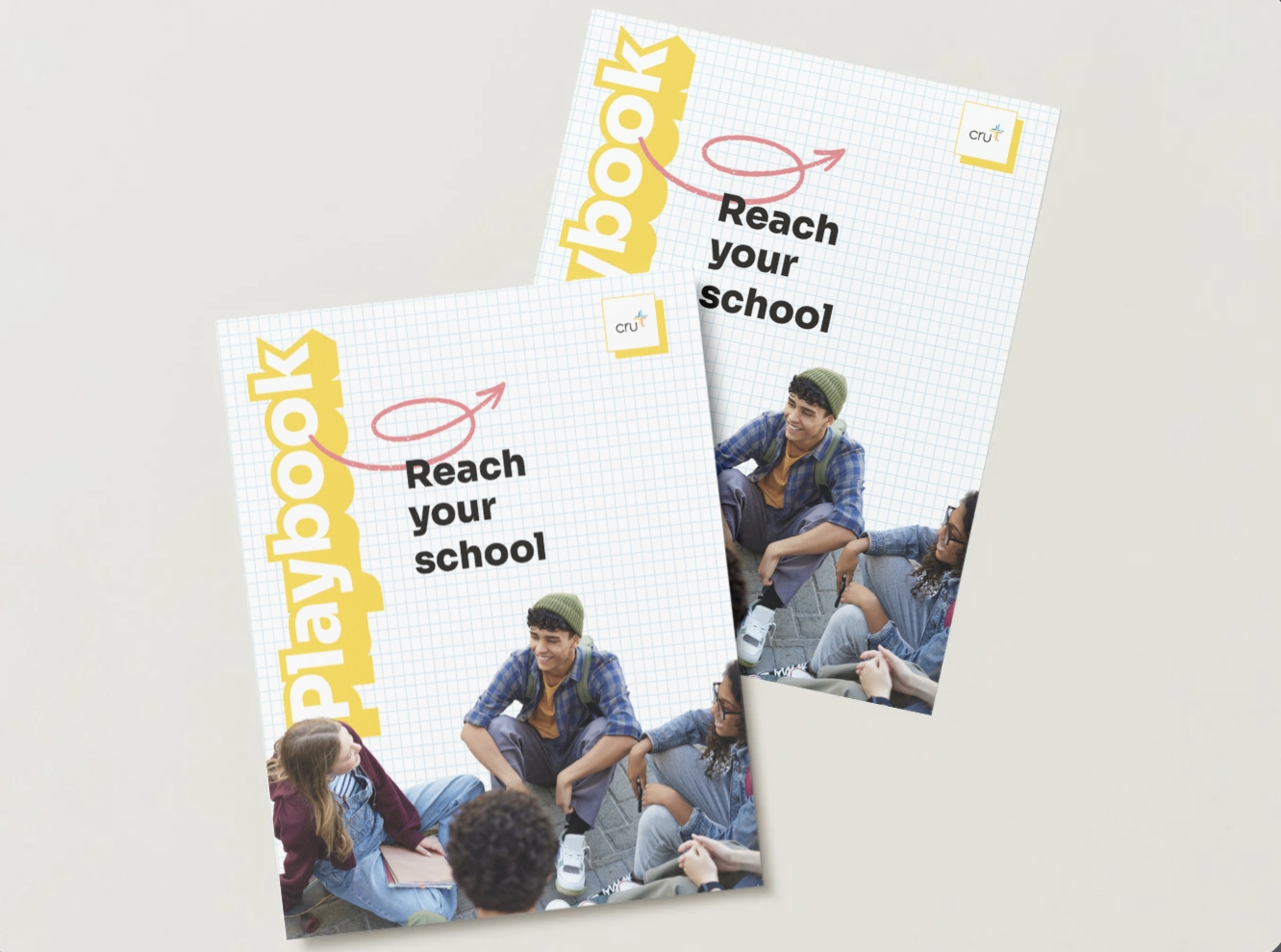
The Reach Your School Playbook

You want to make a difference at your school. You care about your friends. You see the need. You’ve probably even thought, “Someone should do something.”

What if that someone is you?

The Reach Your School Playbook was created to help students take that step, and to give adults a simple way to support them along the way.

Made for Students, Helpful for Adults

This Playbook is designed first for students. It helps you take ownership, lead your friends, and build something that actually reaches your school.

At the same time, if you’re an adult, youth leader, parent, or volunteer, this gives you a clear way to come alongside students without taking over.

  • Students lead
  • Adults support
  • Everyone moves forward together

Why Most People Don’t Start

A lot of students never take the first step. Not because they don’t care, but because they feel stuck.

  • “Where do I even begin?”
  • “What if no one shows up?”
  • “How do I get others involved?”

Uncertainty can keep people from moving. This Playbook breaks that barrier. It gives you a clear path so you can stop overthinking and start doing.

What This Helps You Do

This isn’t just ideas sitting on a page. It’s a practical guide you can actually use right now.

With the Playbook, you can:

  • Start something meaningful, even if you’re on your own
  • Gather a few friends and build momentum
  • Share your faith in natural, real ways
  • Lead with confidence, even if you’ve never led before
  • Build something that lasts beyond you

You don’t have to have it all figured out. You just need a place to start.

“Start where you are, use what you have, take the first step.”

A Simple Path to Follow

The Playbook walks you through five clear steps. Each one is simple, practical, and designed to help you take action.

  • DREAM: Start with a vision for your school and what God could do there
  • PRAY: Learn how to pray for your campus in real, meaningful ways
  • GO: Take action, gather a team, and begin reaching people
  • GROW: Build a group that develops leaders and multiplies
  • SEND: Help others step out and reach their friends too

You don’t have to guess what to do next. It’s right there in front of you.

Built to Be Used, Not Just Read

This isn’t a long manual you’ll never finish. It’s short. It’s simple. It’s designed to move you forward.

  • Easy to read
  • Clear next steps
  • Real examples
  • Space to think and act

You can go through it on your own, or walk through it with a couple of friends. Adults can use it to guide conversations and help students take ownership.

You Don’t Have to Do This Alone

Starting something can feel intimidating. But you’re not on your own. The Playbook connects you to tools, coaching, and a bigger movement of people who are doing the same thing. Take one step, and you’ll find support along the way.

Start Today

You don’t need a perfect plan. You just need a first step.

Next Step
Download the Playbook with the button above and walk through the first section this week with a friend!
Comment Cards 101: Capture Interest, Build Relationships

Why Comment Cards Matter

The most important thing you do in ministry isn’t running events, it’s building relationships. Big gatherings are great, but they aren’t personal. Comment cards help you bridge that gap. They give students a simple way to raise their hand and say:

  • “I’m interested”
  • “I want to get involved”
  • “I want to talk”
  • “I made a decision”

A comment card is more than a form. It’s a filter. The event gathers the crowd, but the comment cards reveal the ones who are ready. Instead of guessing who’s interested, students tell you. And that’s what allows you to follow up personally and meaningfully.

Download Comment Cards

Physical vs. Digital Comment Cards

You can collect information digitally, but physical cards still win.

Physical Cards

  • Higher response rate
  • Easier to complete in the moment
  • No distractions
  • Feels more intentional

Digital Options

  • Students are less likely to fill them out
  • Distractions
  • Technical glitches

Digital can work, but many ministries find they get about half the responses compared to physical cards. Even in a digital world, physical cards often get better results. If you want the most responses, go physical first.

“The card isn’t the win, the conversation is.”

How to Use Comment Cards

1. Pass Them Out at the Right Moment
Usually at the end of a meeting or outreach, when interest is highest.

2. Give Everyone a Pen or Pencil
Don’t assume students have one. They won’t.

3. Walk Through the Card Together
This is huge. Once everyone has a card, read each section out loud and guide them:

  • “Write your name here”
  • “Check this if you want to get involved”
  • “Check this if you prayed to receive Christ”

If you don’t do this, students rush through and check random boxes.

4. Give Them Time to Complete It
Pause. Let them actually fill it out.

5. Collect Them Immediately
Don’t leave it optional or vague.

Use Incentives to Increase Response

Want more cards turned in? Use prizes.

  • Gift cards
  • Snacks
  • Fast food coupons
  • Free merch

Tell them:
“Turn in your card, we’ll draw for prizes.”

It works. A simple prize can double your response rate.

Best Practices That Make a Big Difference

Use cardstock
Regular paper tears or gets ruined. Cardstock holds up better.

Keep it simple
Too many options overwhelm students.

Look through cards immediately
Scan for:

  • Students who want to get involved
  • Spiritual decisions
  • Urgent needs

If possible, connect with them before they leave the meeting. The best practice is to follow up within 24–48 hours. After that, interest fades fast. So if. you can talk with them before they leave and set up a time to connect again in the next day or so, you will get your best results.

Turning Cards Into Conversations

A comment card is just the beginning. The goal isn’t collecting information. The goal is connection. Use what they checked to guide your follow-up:

  • Grab lunch
  • Meet after school
  • Start a Bible study
  • Have a gospel conversation

Final Thought

Comment cards can feel like a small detail, but they might be one of the most important things you do at an event. They help you move from a crowd, to a conversation, to a changed life.

Next Step
Download a comment card and use it at your next meeting.
Student Leader Application and Covenant

Strong student leadership doesn’t happen by accident.

Whether you’re a student leading your peers or an adult supporting a movement, clarity around leadership can make a huge difference. These simple documents are designed to help you communicate expectations, invite the right students in, and build a healthy leadership culture.

They’re optional tools for any campus movement, not requirements, but many teams find them incredibly helpful.

Student Leadership Application

This application is a simple way for students to express interest in leadership and for you to get to know them better. It creates space for students to share their story, their faith, and why they want to lead. It also helps ensure they understand the purpose and message of your ministry before stepping into a leadership role.

Leaders often use this as a starting point for conversations, discernment, and development, not just as a form to collect.

Student Leadership (Editable Document)
Student Leadership Application (PDF)

“Great leadership starts with clarity, not assumptions.”

Model Student Covenant

This covenant helps define what it means to be a student leader in your group. It clearly communicates expectations, both in character and commitment, and gives students a chance to step in with understanding and ownership. Because it’s customizable, you can adapt it to fit your local context, adding practical expectations that make sense for your team.

Many leaders use this as part of training or onboarding, helping students not just say “yes” to leadership, but understand what they’re saying yes to.

Model Student Covenant (Editable Document)

Next Step
Review these documents and choose one to use with your leadership team this semester:

Share This Post

More to Explore